Saona Island Internal Ocean Waves: Hidden Waves Beneath the Sea Surface
The ocean is constantly moving, but not all waves can be seen from the beach. Beneath the surface, enormous waves can travel through the water column along boundaries separating layers of different density.
These underwater movements are known as internal ocean waves. Unlike ordinary surface waves, which move along the boundary between the ocean and the atmosphere, internal waves travel within the ocean itself.
Internal waves are an important subject in physical oceanography because they contribute to underwater mixing, energy transfer and changes in the distribution of heat and nutrients.
For readers interested in the marine environment around Saona Island in the Dominican Republic, internal waves provide another perspective on the hidden physical processes of the Caribbean Sea.
1. What Are Internal Ocean Waves?
Internal ocean waves are waves that travel inside the water column rather than along the ocean surface.
They commonly develop where water layers have different densities. The boundary between these layers can move up and down as a wave passes.
For example, imagine a layer of relatively warm, less-dense water above cooler, denser water. The interface between these layers can oscillate, creating an underwater wave.
Internal waves may have much longer wavelengths and slower propagation speeds than many familiar surface waves.
They can occur at different depths and vary considerably in size, frequency and strength.
2. Why Can Waves Travel Beneath the Ocean Surface?
The key requirement for internal waves is a difference in water density.
Seawater density is influenced mainly by:
- Temperature.
- Salinity.
- Pressure.
In many ocean environments, warmer water is less dense than colder water at comparable salinity. Similarly, less saline water is generally less dense than more saline water at comparable temperature.
These differences can create layers within the ocean.
When the boundary between two layers is disturbed, gravity and buoyancy act to restore the water toward its previous arrangement. This restoring force allows an internal wave to develop.
The movement may continue as the disturbance travels through the water.
3. The Role of Ocean Stratification
Ocean stratification refers to the formation of water layers with different densities.
A stratified water column can have:
- A relatively warm surface layer.
- A transition zone where temperature changes rapidly.
- Deeper water with different temperature and salinity characteristics.
The transition zone may contain a density gradient that supports internal wave motion.
One important feature is the pycnocline, where water density changes rapidly with depth.
A pycnocline can provide a suitable environment for internal waves because it separates water layers with contrasting densities.
However, stratification varies with location, season, weather and depth. Not every part of the ocean has the same structure.
4. How Are Internal Waves Generated?
Internal waves can form through several physical mechanisms.
Tidal flow over underwater topography
When tidal currents move over underwater ridges, slopes or other topographic features, they can displace stratified water.
This displacement may generate internal waves that travel away from the topographic feature.
Internal tides are an important example of this process.
Wind-driven movement
Strong winds can influence the upper ocean and disturb the arrangement of water layers.
When the disturbance interacts with a stratified water column, internal wave activity may develop.
Currents interacting with underwater features
Ocean currents passing over seamounts, continental slopes and underwater ridges can generate internal waves.
The shape of the seabed and the strength of the current influence the resulting wave patterns.
Interaction between water masses
Changes in water movement and density structure can also contribute to internal wave generation.
Several mechanisms may operate together in the same region.
5. Internal Waves and Internal Tides
Internal waves and internal tides are related, but they are not exactly the same.
An internal tide is an internal wave generated by tidal flow interacting with underwater topography.
The surface ocean experiences regular tides due to gravitational interactions involving the Moon and Sun. When tidal currents move through a stratified ocean and interact with underwater features, energy can be transferred into internal waves.
These waves may travel away from their generation area and influence water movement at distant locations.
Internal tides can have periods similar to major tidal cycles, although the resulting wave patterns can be complex.
6. How Do Internal Waves Move?
Internal waves involve the vertical and horizontal movement of water layers.
Unlike many surface waves, the movement is concentrated around density boundaries inside the ocean.
As an internal wave passes:
- The interface between water layers rises or falls.
- Water parcels move vertically and horizontally.
- Temperature and salinity distributions may change.
- Energy travels through the water column.
In some cases, the vertical displacement can be substantial relative to the thickness of the affected layer.
Internal waves can also interact with other waves and currents, creating complex underwater motion.
7. How Are Internal Waves Different from Surface Waves?
Both internal and surface waves transfer energy, but their physical environments are different.
Surface waves:
- Travel along the ocean-atmosphere boundary.
- Are commonly generated by wind.
- Are strongly influenced by surface conditions and water depth.
- Can be directly observed as waves at the sea surface.
Internal waves:
- Travel within the ocean water column.
- Depend on differences in water density.
- Can be generated by tides, currents and underwater topography.
- Often require instruments or satellite techniques to detect.
Surface waves are familiar to beach visitors, while internal waves are usually hidden beneath the water.
8. Internal Waves and Underwater Mixing
Internal waves are important because they can contribute to mixing between ocean layers.
In a strongly stratified water column, mixing between surface and deeper water may be limited.
Internal wave activity can disturb the density structure and transfer energy into smaller-scale water movements.
When internal waves become unstable or break, they can generate turbulence.
This turbulence may help transport:
- Heat.
- Dissolved oxygen.
- Nutrients.
- Dissolved substances.
- Suspended particles.
The strength of this mixing depends on local stratification, wave energy, water depth and seabed conditions.
9. Why Do Internal Waves Matter for Marine Life?
Internal waves can indirectly influence marine ecosystems by changing the physical and chemical environment beneath the surface.
Nutrient distribution
Mixing can move nutrients between different water layers.
In some locations, this may increase nutrient availability in upper waters where phytoplankton can use sunlight for photosynthesis.
Temperature conditions
Vertical movement of water layers can redistribute heat.
This can influence the temperature experienced by organisms living at different depths.
Oxygen distribution
Mixing can contribute to the movement of dissolved oxygen through the water column.
The effect depends on the existing oxygen structure and local physical conditions.
Plankton movement
Internal wave motion can transport plankton and other small organisms vertically or horizontally.
However, the effect varies by organism, depth and wave conditions.
Internal waves do not automatically produce higher marine productivity. Their ecological effects depend on the wider environment.
10. Can Internal Waves Be Seen from Satellites?
Some internal waves can create visible patterns at the ocean surface even though the waves themselves travel below it.
This happens because internal wave motion can affect surface currents and the arrangement of surface water.
In suitable conditions, these surface changes may create alternating bands or curved patterns that can be detected using satellite imagery.
Synthetic aperture radar is one technique used to observe certain ocean surface expressions.
Satellite observations are useful, but not every internal wave creates a detectable surface pattern.
Cloud cover, wind conditions, wave strength and other environmental factors can influence detection.
11. How Do Scientists Study Internal Waves?
Researchers use several instruments and methods.
Temperature sensors
Arrays of temperature sensors can detect changes in the vertical movement of water layers.
Repeated measurements help identify internal wave patterns.
Conductivity-temperature-depth instruments
CTD instruments measure conductivity, temperature and pressure. These measurements help researchers calculate salinity and understand density structure.
Current meters
Current meters record water velocity at selected depths.
They help scientists understand how water moves as internal waves pass.
Acoustic instruments
Acoustic Doppler current profilers use sound to estimate water velocity at different depths.
They are useful for investigating internal wave movement and associated currents.
Satellite remote sensing
Satellite imagery can reveal certain surface expressions associated with internal waves.
Researchers often combine satellite observations with underwater measurements to understand the full process.
12. Internal Waves Around Tropical Islands
Tropical island environments can contain physical conditions that support internal wave activity.
Potential contributing factors include:
- Stratified seawater.
- Tidal currents.
- Submarine slopes.
- Underwater ridges.
- Changes in water depth.
- Interactions between ocean currents and seabed features.
These conditions are relevant to oceanographic research in the wider Caribbean region.
However, the existence, location and strength of particular internal waves near Saona Island cannot be assumed from general regional knowledge alone.
Local measurements of water density, temperature, salinity and current velocity would be needed to establish their presence and characteristics around a specific part of the island.
13. Internal Waves and Climate Change
Climate change can influence ocean stratification through changes in temperature and freshwater distribution.
For example, surface warming can increase the density difference between surface and deeper water under certain conditions.
Changes in stratification may influence how internal waves propagate, break and contribute to mixing.
However, the response is complex.
Internal wave behavior also depends on ocean circulation, tides, seabed topography and seasonal conditions.
Scientists use long-term observations and numerical models to investigate how these processes may change.
It would be inaccurate to attribute a specific internal wave trend near Saona Island to climate change without local evidence.
14. Why Internal Wave Research Is Important
Studying internal waves helps scientists understand the movement of energy through the ocean.
Research can improve knowledge of:
- Underwater turbulence.
- Heat transport.
- Nutrient redistribution.
- Water-column structure.
- Marine ecosystem conditions.
- Ocean circulation models.
- Submarine environmental processes.
Internal waves are also relevant to underwater operations because they can influence currents and water conditions at depth.
Understanding them contributes to a more complete picture of the ocean as a dynamic physical system.
15. How Can Visitors Appreciate the Hidden Ocean?
Visitors exploring Saona Island may not directly observe internal waves, but they can appreciate the fact that the sea is active beneath its visible surface.
The water column contains layers with different temperatures, salinities and densities. These layers can move and interact even when the surface appears relatively calm.
Responsible marine exploration includes:
- Following local boating and diving instructions.
- Avoiding contact with fragile coral structures.
- Respecting marine wildlife.
- Avoiding litter and pollution.
- Using qualified guides for underwater activities.
- Never assuming that calm surface conditions guarantee safe underwater conditions.
Learning about internal waves adds another dimension to understanding the marine environment.
16. Frequently Asked Questions
What are internal ocean waves?
Internal ocean waves are underwater waves that travel within the ocean along boundaries between water layers of different density.
What causes internal waves?
They can be generated by tidal flow over underwater topography, wind-driven disturbances and currents interacting with underwater features.
Are internal waves larger than surface waves?
Internal waves can have very long wavelengths and large vertical displacements. Their size depends on stratification and local ocean conditions, so a simple comparison is not always meaningful.
Can people see internal waves?
Usually not directly. Some create surface patterns that satellites can detect, but many remain hidden beneath the ocean surface.
What is an internal tide?
An internal tide is an internal wave generated when tidal currents interact with stratified water and underwater topography.
Do internal waves affect marine organisms?
Yes. They can influence nutrient movement, temperature distribution, oxygen transport and the movement of plankton.
Are internal waves found in the Caribbean Sea?
Internal wave processes are relevant to stratified ocean environments, including tropical seas. Their specific occurrence and characteristics around Saona Island require local measurements.
What instruments measure internal waves?
Scientists use CTD instruments, temperature sensors, current meters, acoustic Doppler profilers and satellite remote sensing.
Conclusion
Internal ocean waves are hidden movements that reveal the complexity of the underwater environment. They travel through density-stratified seawater and can influence mixing, heat transport, nutrient distribution and marine ecosystems.
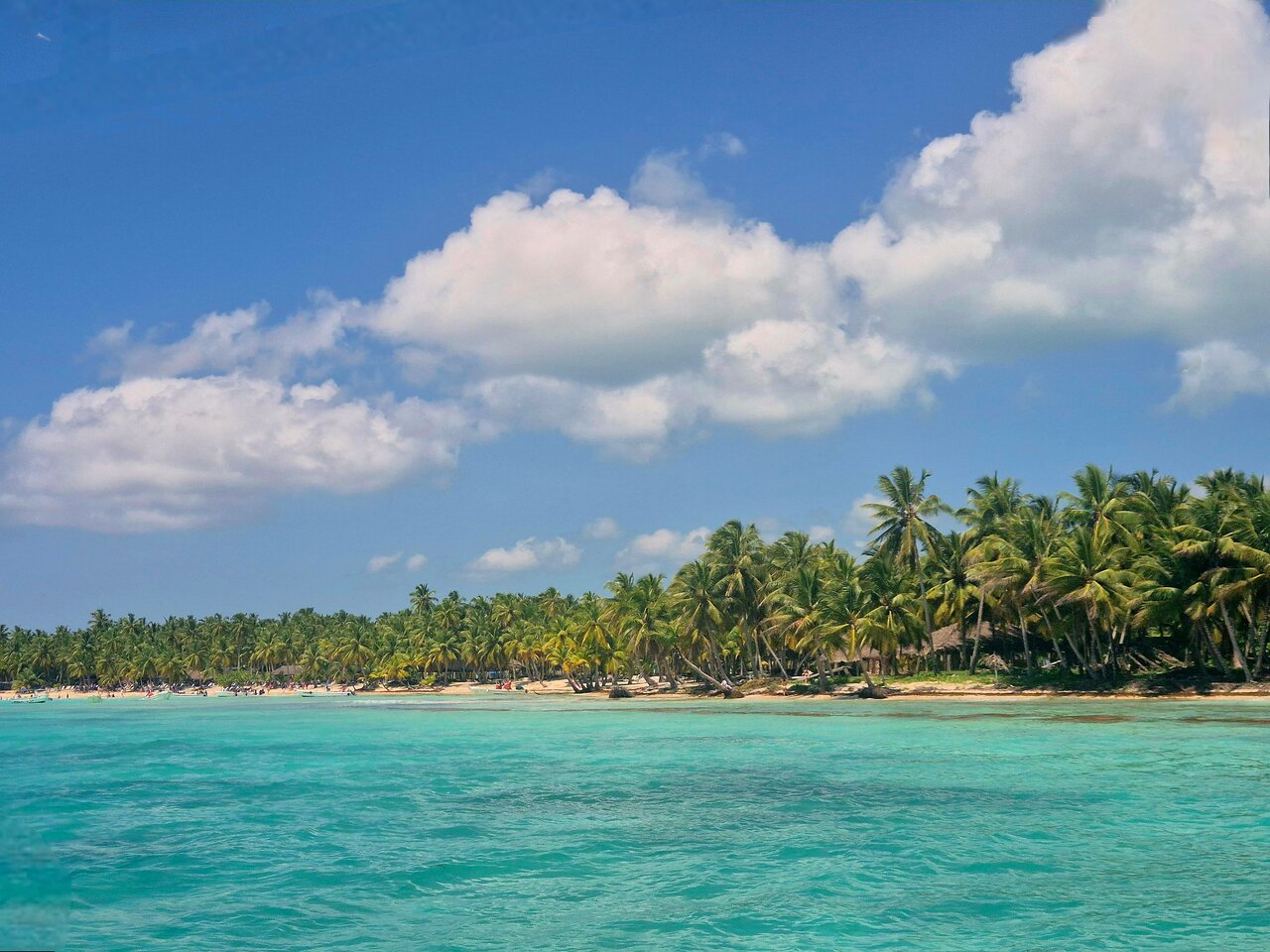
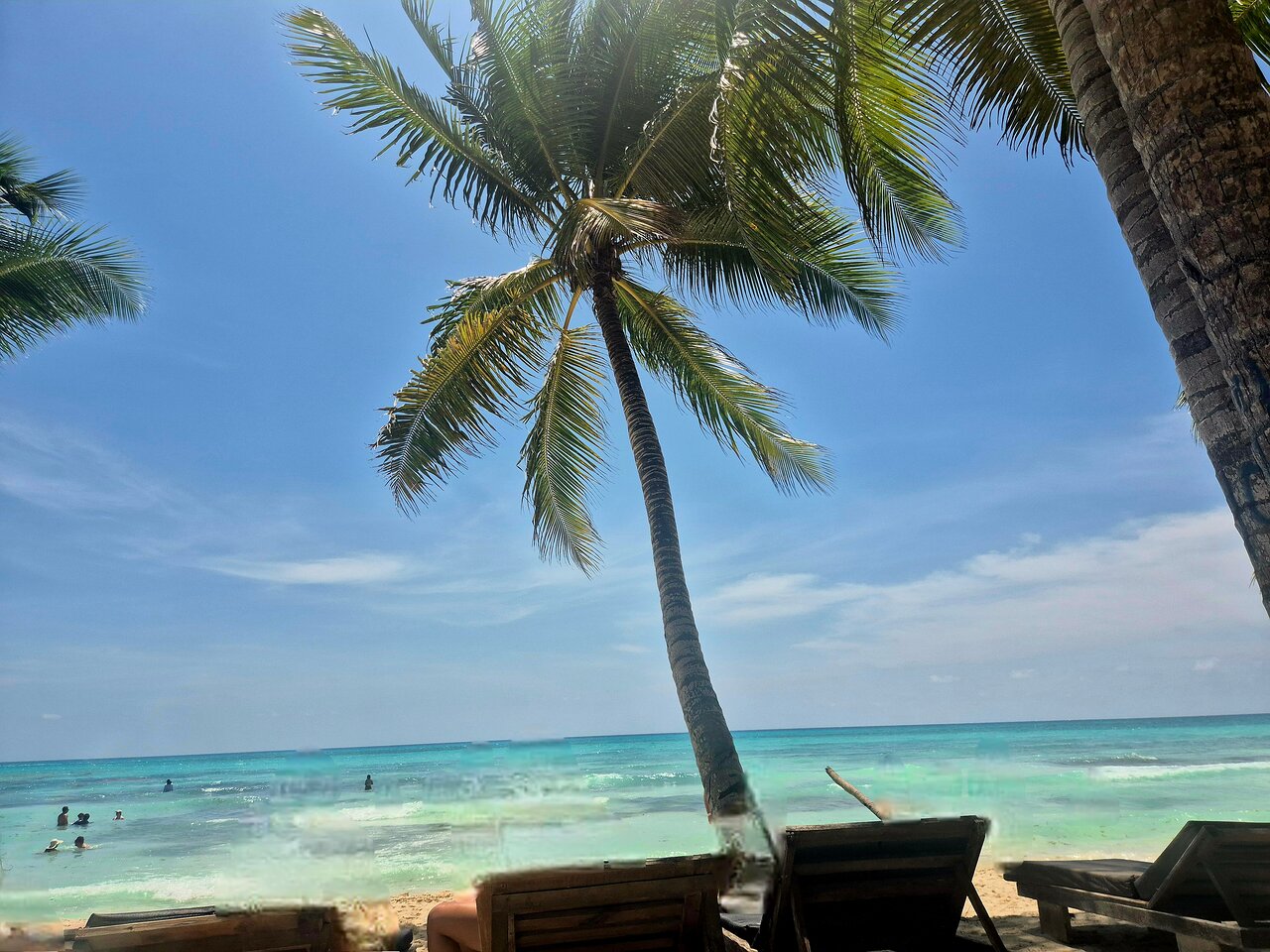
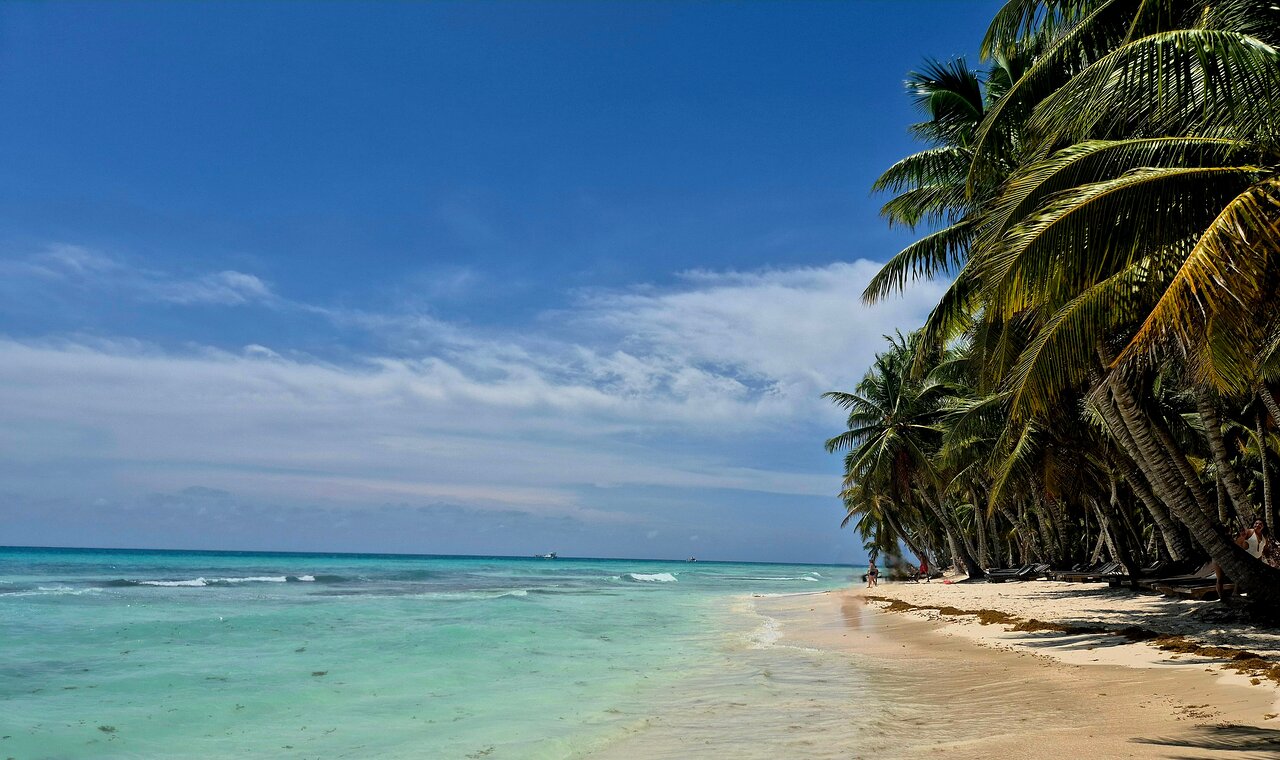
Unlike surface waves visible from the beaches of Saona Island, internal waves move within the water column and often require specialized instruments to study.
Understanding these underwater processes helps researchers explain how the ocean transports energy and how physical changes can influence marine life.
The sea may look calm from above, but beneath the surface, a complex system of waves and water movements is continuously shaping the marine environment.

Local explorer & expert guide in Airbnb Dominicana.