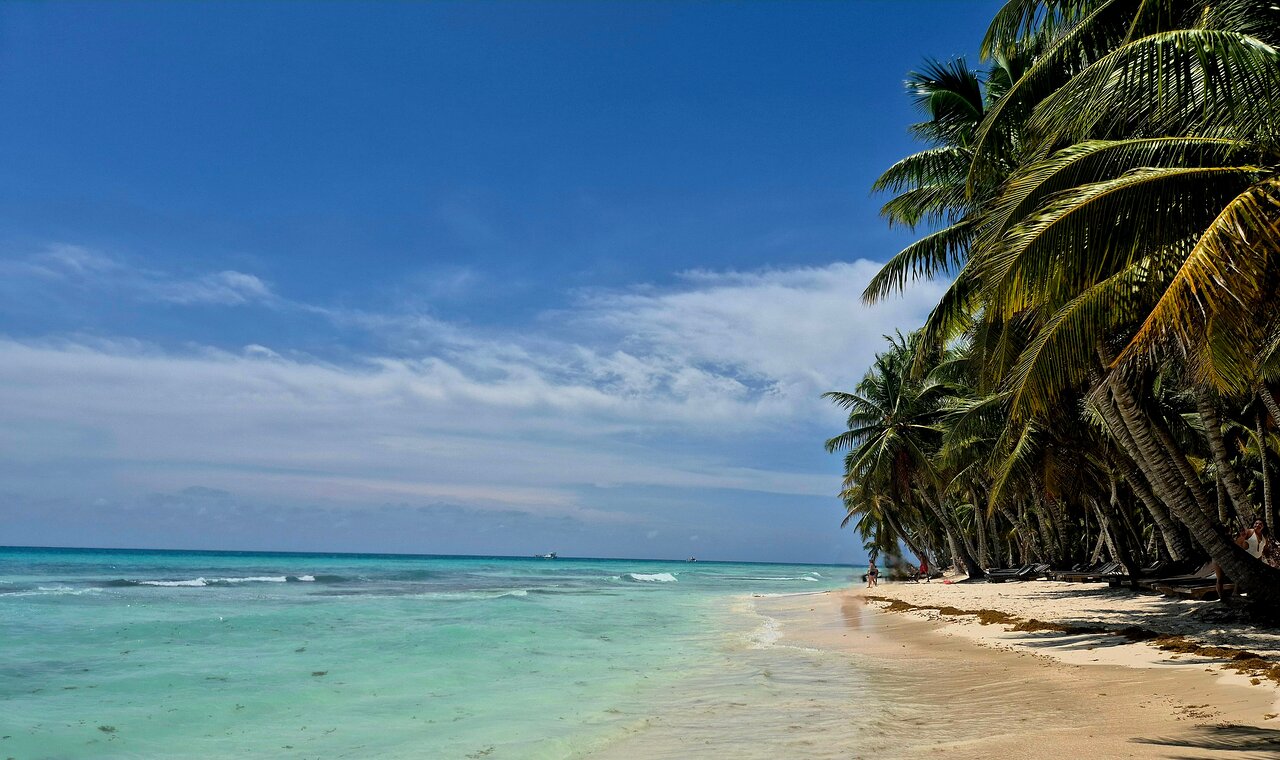
Saona Island Marine Dissolved Oxygen: Oxygen Levels, Ocean Life and Coastal Ecosystem Health
The ocean may appear endless and full of life, but underwater organisms depend on an essential resource that cannot always be seen: dissolved oxygen.
Fish, crustaceans, mollusks and many other marine animals require oxygen for cellular respiration. Even microorganisms and other components of marine ecosystems participate in processes that consume or produce oxygen.
The amount of oxygen available in seawater can influence animal activity, habitat suitability and overall ecosystem functioning. Understanding dissolved oxygen is therefore an important part of marine environmental science.
Around Saona Island and throughout the wider Caribbean, coastal habitats include marine environments where oxygen availability is relevant to ecosystem health. However, actual oxygen concentrations and seasonal patterns at specific Saona Island locations require direct measurements.
This guide explains what dissolved oxygen is, how it enters seawater, why it changes, how scientists measure it and why oxygen monitoring matters for marine conservation.
1. What Is Dissolved Oxygen?
Dissolved oxygen, commonly abbreviated as DO, refers to molecular oxygen present in water.
Unlike oxygen in the atmosphere, which is available as a gas, dissolved oxygen is distributed within the water itself.
Marine organisms obtain oxygen in different ways:
- Fish generally absorb dissolved oxygen through their gills.
- Crabs and other aquatic crustaceans use specialized respiratory structures.
- Many mollusks use gills or other respiratory adaptations.
- Marine worms and other invertebrates have different oxygen-absorbing structures.
- Marine mammals breathe atmospheric air rather than extracting oxygen from seawater.
Dissolved oxygen is commonly measured in milligrams per liter (mg/L). Scientists may also report oxygen saturation as a percentage.
Both measurements provide useful information about water conditions.
2. Why Marine Organisms Need Oxygen
Oxygen plays an important role in aerobic cellular respiration.
During aerobic respiration, cells use oxygen to help release energy from organic molecules. This energy supports movement, growth, reproduction, maintenance and other biological functions.
For many marine animals, sufficient oxygen is necessary to maintain normal physiological activity.
When oxygen availability decreases, organisms may experience stress.
Possible effects include:
- Reduced swimming activity.
- Lower feeding efficiency.
- Changes in habitat selection.
- Increased respiratory effort.
- Reduced growth or reproductive performance.
- In severe conditions, mortality.
Different organisms have different oxygen requirements. Some can tolerate temporary oxygen shortages better than others.
3. How Oxygen Enters Seawater
Dissolved oxygen enters seawater through several natural processes.
Atmospheric Exchange
Oxygen moves between the atmosphere and the ocean surface.
When surface water is undersaturated with oxygen, oxygen can enter from the atmosphere. When water is supersaturated, oxygen may move from the water into the atmosphere.
Wind and wave action can increase mixing and influence this exchange.
Photosynthesis
Marine plants, algae and photosynthetic microorganisms produce oxygen during photosynthesis.
They use sunlight to convert carbon dioxide and water into organic compounds, releasing oxygen as a by-product.
Seagrasses, macroalgae and phytoplankton can contribute to oxygen production in marine environments.
Water Mixing
Currents, waves and vertical mixing transport oxygen between different parts of the water column.
This movement can help replenish oxygen in deeper water when oxygen-rich surface water is transported downward.
4. How Oxygen Is Consumed in the Ocean
Marine oxygen is continuously used by biological and chemical processes.
Animal Respiration
Fish, crustaceans, mollusks and other aerobic organisms consume oxygen during respiration.
Microbial Decomposition
Microorganisms break down dead organisms, waste and other organic material. Many decomposition processes consume oxygen.
Sediment Respiration
Oxygen can also be consumed at the seabed, where microorganisms and other organisms process organic matter.
Chemical Oxidation
Certain reduced chemical substances react with oxygen in seawater or sediments. These reactions can contribute to oxygen consumption.
The balance between oxygen supply and oxygen consumption helps determine the concentration available in a particular marine environment.
5. Understanding Oxygen Saturation
Dissolved oxygen concentration and oxygen saturation are related but not identical.
Oxygen concentration describes the actual amount of dissolved oxygen in a volume of water, commonly in mg/L.
Oxygen saturation describes how much oxygen is present compared with the equilibrium concentration expected under particular environmental conditions.
A saturation value of approximately 100% indicates equilibrium with the atmosphere under the relevant conditions.
Values can be:
- Below 100%: undersaturation.
- Around 100%: near atmospheric equilibrium.
- Above 100%: supersaturation.
Photosynthesis can produce daytime supersaturation in some environments, while respiration and decomposition may contribute to undersaturation.
Temperature, salinity and atmospheric pressure influence oxygen solubility and therefore the saturation calculation.
6. How Temperature Influences Dissolved Oxygen
Water temperature is one of the important factors controlling oxygen solubility.
Generally, colder water can hold more dissolved oxygen than warmer water under comparable conditions.
As seawater warms, its capacity to hold oxygen decreases.
Temperature can also influence biological processes. Warmer conditions may increase respiration and microbial metabolic rates, depending on the organisms and environmental circumstances.
This creates an important ecological relationship: warmer water can hold less oxygen while some oxygen-consuming biological processes become faster.
The combined effect can increase the risk of oxygen stress under certain conditions.
7. Salinity and Oxygen Solubility
Salinity also influences the amount of oxygen that can dissolve in seawater.
At similar temperatures and pressures, water with higher salinity generally holds less dissolved oxygen than freshwater.
This is one reason why scientists must record salinity when interpreting oxygen measurements.
Coastal areas can experience natural salinity changes due to rainfall, evaporation, freshwater inputs and water exchange.
Consequently, oxygen concentration should not be interpreted without considering the surrounding environmental conditions.
8. Oxygen Distribution from the Surface to the Seabed
Dissolved oxygen does not always remain evenly distributed throughout the water column.
Surface water is often influenced by atmospheric exchange and photosynthesis.
Deeper water may receive less direct atmospheric oxygen replenishment, while respiration and decomposition continue to consume oxygen.
The resulting vertical distribution depends on water depth, mixing, temperature, biological activity and local circulation.
In some marine environments, scientists identify an oxygen minimum zone where oxygen concentrations are substantially lower than in surrounding waters.
Such zones occur in particular oceanographic settings and should not be assumed to exist around Saona Island without measurements.
9. Dissolved Oxygen in Coral Reef Environments
Coral reef ecosystems contain many organisms that consume oxygen, while photosynthetic organisms contribute oxygen during daylight.
Corals live in complex biological communities involving algae, microorganisms and other marine animals.
Oxygen conditions around reef structures can change over short periods and vary with water movement, light and biological activity.
Important processes include:
- Photosynthesis by symbiotic algae and other photosynthetic organisms.
- Respiration by corals and associated organisms.
- Decomposition of organic material.
- Water exchange around reef structures.
- Oxygen consumption within reef sediments.
Water movement can help transport oxygen into and out of reef habitats.
Healthy reef functioning depends on several interacting environmental conditions, and dissolved oxygen is one important component.
10. Oxygen Conditions in Seagrass Meadows
Seagrass meadows are important coastal habitats that provide shelter and feeding areas for marine organisms.
Seagrasses photosynthesize and release oxygen during periods when light is available.
However, oxygen conditions can vary between the surrounding water, plant surfaces and underlying sediments.
Seagrass sediments may contain organic material that microorganisms decompose. This decomposition can consume oxygen, particularly below the sediment surface.
The interaction between photosynthesis, respiration, sediment processes and water exchange creates a changing oxygen environment.
Understanding these processes can help researchers evaluate the ecological condition of coastal seagrass habitats.
11. What Is Marine Hypoxia?
Hypoxia refers to a condition in which dissolved oxygen becomes sufficiently low to create stress for aquatic organisms.
There is no single universal threshold that applies equally to every species and ecosystem.
Many studies use approximately 2 mg/L as a commonly referenced threshold for severe oxygen depletion, but biological responses vary with species, exposure duration, temperature and other conditions.
Hypoxia can develop when oxygen consumption becomes greater than oxygen replenishment.
Potential contributing factors include:
- Excessive organic matter decomposition.
- Nutrient enrichment and high biological production.
- Weak water circulation.
- Strong water-column stratification.
- High temperatures.
- Restricted exchange with surrounding waters.
In severe cases, oxygen depletion may produce anoxia, meaning oxygen is absent or nearly absent.
These conditions can create major ecological challenges for marine organisms.
12. Eutrophication and Oxygen Depletion
Eutrophication occurs when excessive nutrient inputs stimulate high biological production in aquatic environments.
Nutrient enrichment can contribute to increased algal growth.
When large quantities of organic material die and decompose, microorganisms consume oxygen during the breakdown process.
If oxygen consumption exceeds oxygen replenishment, dissolved oxygen concentrations can decline.
This process can contribute to hypoxia, particularly in poorly mixed waters.
However, nutrient enrichment does not always produce oxygen depletion. The outcome depends on nutrient levels, biological production, water circulation, temperature and organic matter decomposition.
Preventing excessive nutrient pollution is an important part of coastal water-quality management.
13. Daily and Seasonal Changes in Oxygen
Dissolved oxygen can change throughout the day.
During daylight, photosynthetic organisms produce oxygen. In some environments, oxygen concentration increases during periods of strong photosynthesis.
At night, photosynthesis stops while respiration continues. As a result, dissolved oxygen may decline.
Seasonal changes can also influence oxygen conditions through variations in temperature, sunlight, rainfall, biological activity and water circulation.
For this reason, a single measurement may not fully represent the oxygen conditions of a marine habitat.
Repeated monitoring provides a more reliable picture of environmental patterns.
14. How Scientists Measure Dissolved Oxygen
Marine researchers use several methods to measure dissolved oxygen.
Optical Oxygen Sensors
Optical sensors estimate oxygen concentration using the interaction between oxygen and a light-sensitive material.
They can provide continuous measurements and are useful for monitoring changing conditions.
Electrochemical Sensors
Electrochemical oxygen sensors measure oxygen through an electrical response associated with oxygen reduction.
They require appropriate calibration and maintenance.
Winkler Titration
The Winkler method is a classical chemical procedure for determining dissolved oxygen concentration in water samples.
It remains an important reference method in water-quality analysis when performed correctly.
Multiparameter Water Quality Meters
Modern instruments can measure dissolved oxygen alongside other variables such as:
- Temperature.
- Salinity or conductivity.
- pH.
- Depth.
- Turbidity.
Collecting several measurements together helps researchers interpret oxygen conditions more accurately.
15. Important Factors in an Oxygen Monitoring Program
A good dissolved oxygen monitoring program should consider more than a single water sample.
Researchers may record:
Sampling location: Measurements should represent clearly defined habitats and water conditions.
Sampling depth: Surface, middle-water and near-bottom measurements can reveal vertical differences.
Time of day: Daytime and nighttime measurements can identify daily variation.
Temperature: Oxygen solubility changes with temperature.
Salinity: Salinity affects oxygen saturation calculations.
Water movement: Currents and mixing influence oxygen distribution.
Season: Repeated sampling across different seasons can identify longer-term changes.
Consistent methods and calibrated equipment are essential for reliable comparisons.
16. Human Activities That Can Affect Coastal Oxygen Levels
Human activities may change oxygen conditions in coastal waters.
Potential pressures include:
- Untreated sewage discharge.
- Agricultural nutrient runoff.
- Poorly managed wastewater.
- Organic waste entering marine environments.
- Coastal construction that changes water circulation.
- Excessive sediment and organic material entering the sea.
These pressures can influence oxygen consumption, nutrient availability and habitat conditions.
Responsible wastewater treatment, pollution prevention and coastal management can reduce these risks.
17. Climate Change and Ocean Deoxygenation
Ocean deoxygenation refers to the long-term decline of dissolved oxygen in ocean waters.
Climate change can contribute to deoxygenation through several mechanisms.
Warmer water holds less oxygen. Increased stratification can reduce the exchange of oxygen-rich surface water with deeper layers.
Changes in ocean circulation and biological activity can also influence oxygen distribution.
Deoxygenation does not occur at the same rate everywhere. Regional ocean conditions, circulation and ecosystem processes influence the extent of change.
Long-term monitoring is important for understanding how coastal ecosystems respond.
18. Responsible Marine Tourism Around Saona Island
Visitors may not directly observe dissolved oxygen, but their activities can influence the condition of marine habitats.
Responsible tourism helps reduce avoidable environmental pressure.
Visitors can:
- Never throw rubbish into the sea.
- Avoid releasing wastewater or chemicals into coastal waters.
- Follow local guidance around coral reefs and seagrass habitats.
- Avoid damaging underwater vegetation.
- Choose responsible boat and tour operators.
- Respect protected marine areas and wildlife.
- Support coastal conservation initiatives.
Protecting coastal habitats helps maintain the environmental conditions that support marine biodiversity.
19. Why Dissolved Oxygen Monitoring Matters for Conservation
Dissolved oxygen is an important indicator of aquatic environmental conditions.
Monitoring it can help scientists:
- Identify oxygen-depleted areas.
- Evaluate coastal water quality.
- Understand daily and seasonal changes.
- Investigate nutrient pollution.
- Assess habitat conditions.
- Study the effects of warming and stratification.
- Support evidence-based conservation decisions.
For Saona Island, systematic measurements could improve understanding of oxygen conditions in coastal waters and marine habitats.
However, reliable conclusions require local data collected across appropriate locations, depths and seasons.
Frequently Asked Questions
What is dissolved oxygen in seawater?
Dissolved oxygen is molecular oxygen present in seawater. Marine organisms use it for respiration and other biological processes.
Why is dissolved oxygen important for marine life?
Many marine animals need oxygen to release energy from food. Insufficient oxygen can cause physiological stress, reduce activity and threaten survival.
What is a good dissolved oxygen level for marine water?
There is no single ideal value for every marine species and habitat. Oxygen requirements vary with species, temperature, salinity and exposure duration.
What is marine hypoxia?
Marine hypoxia is a condition in which oxygen concentrations become low enough to stress aquatic organisms. A value around 2 mg/L is often used as a general reference for severe oxygen depletion, but biological thresholds differ.
Does warm seawater contain less oxygen?
Generally, yes. At comparable pressure and salinity, warmer seawater holds less dissolved oxygen than colder seawater.
Do coral reefs produce oxygen?
Photosynthetic algae and other photosynthetic organisms associated with reef environments produce oxygen during photosynthesis. At the same time, corals and other organisms consume oxygen through respiration.
Can dissolved oxygen change at night?
Yes. Photosynthesis stops at night, while respiration continues. Therefore, oxygen concentrations can decline in some marine environments during nighttime.
How is dissolved oxygen measured?
Common methods include optical sensors, electrochemical probes and the Winkler titration method.
Is dissolved oxygen measured around Saona Island?
The existence of marine oxygen monitoring at a specific Saona Island location should be verified through local research or official monitoring records. Specific concentrations should not be assumed without measurements.
Conclusion: Oxygen Is Essential to Healthy Marine Ecosystems
Dissolved oxygen is a fundamental part of ocean life. It supports marine respiration, influences habitat conditions and helps scientists understand the environmental health of coastal waters.
Its concentration changes with temperature, salinity, photosynthesis, respiration, decomposition and water circulation. When oxygen supply cannot keep pace with consumption, marine organisms may experience stressful conditions.
For Saona Island and the wider Caribbean, understanding dissolved oxygen is valuable for marine education, scientific research and responsible tourism.
Protecting marine ecosystems means protecting the environmental conditions that allow underwater life to survive—including the oxygen dissolved in the water.

Local explorer & expert guide in Airbnb Dominicana.