Saona Island Beach Formation: How Sand, Sediment and Coastal Landforms Shape the Shoreline
Saona Island is famous for its beautiful Caribbean coastline, bright sand and clear turquoise water. But a beach is much more than a stretch of sand beside the sea. It is a natural landform created through the accumulation, movement and redistribution of sediment over time.
The appearance of a beach depends on several factors, including the local geology, the material available along the coast, the shape of the shoreline and the movement of water. Even small differences in these conditions can create noticeably different coastal landscapes.
Understanding Saona Island beach formation offers a new way to appreciate the island. Instead of seeing sand as simply something to walk on, visitors can recognize it as a collection of natural particles with a geological history.
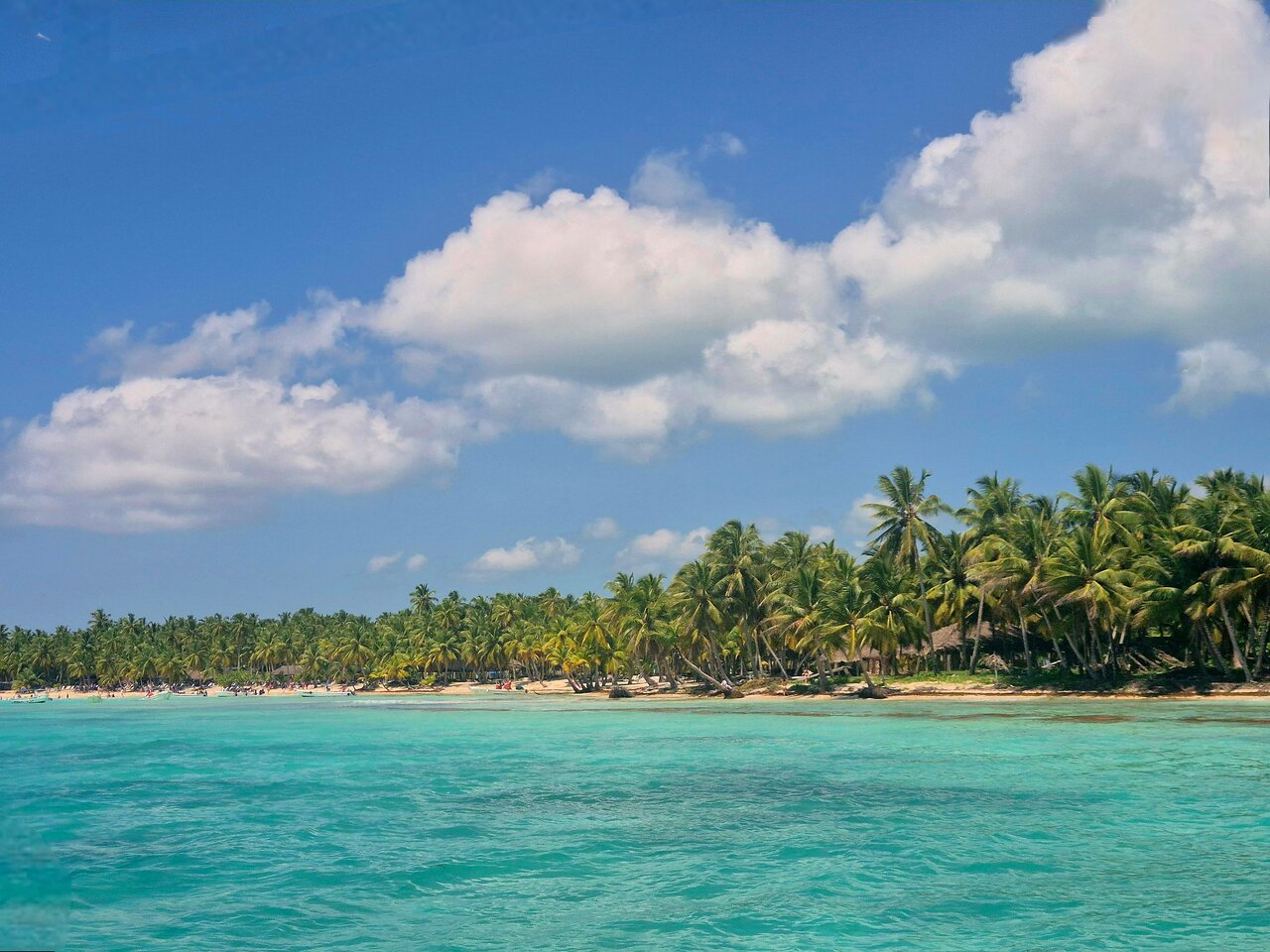
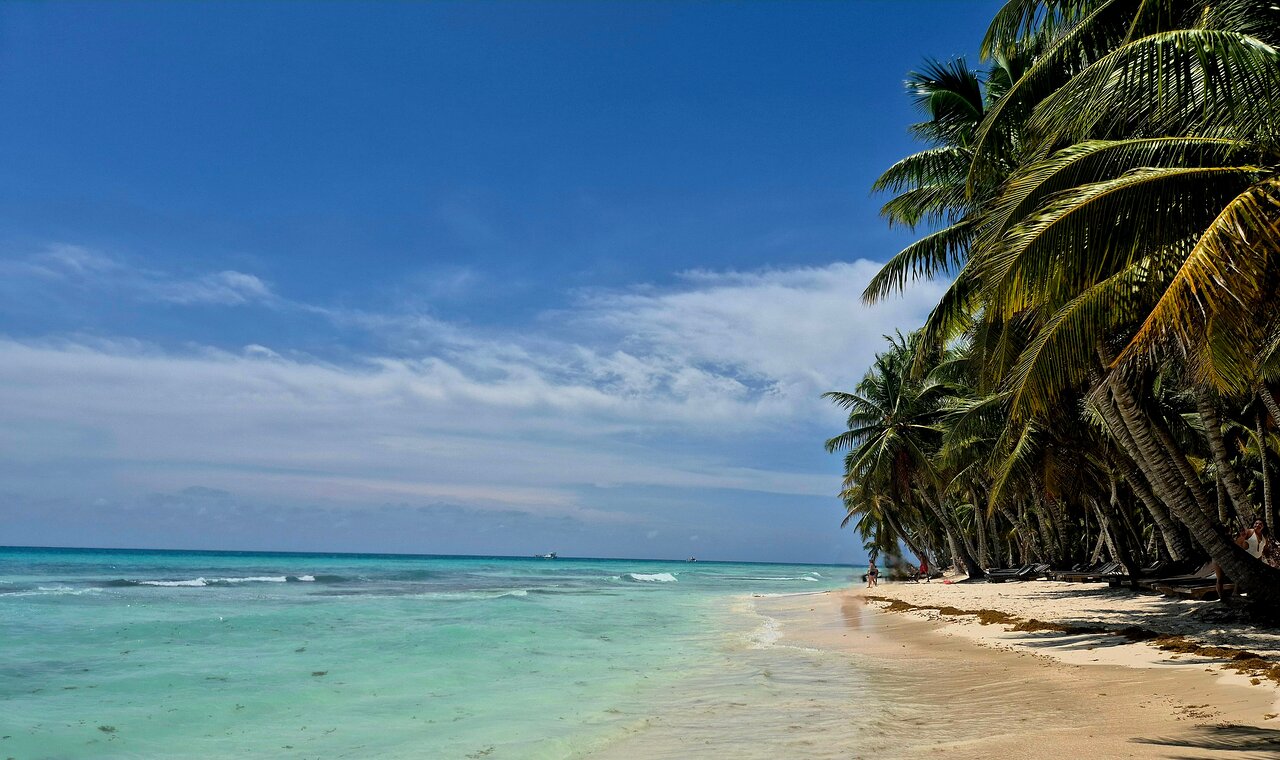
The Dominican Republic's official tourism description highlights Saona Island's extensive white-sand beaches. The UNESCO description of Cotubanamá National Park also identifies different coastal environments, including sandy western shores, mangrove areas in the south and rocky eastern sections. These descriptions demonstrate that the island's coastline is not made up of one uniform beach type.
This article explains where beach sand comes from, how sediment is transported, why beaches have different textures and how coastal landforms develop.
1. What Is a Beach?
A beach is a coastal area where loose sediment accumulates and is continually moved by natural processes.
The sediment may include:
- Sand grains
- Small pieces of shell
- Coral-derived particles
- Rock fragments
- Gravel and other coarse material
- Organic fragments
The exact mixture depends on the geological and environmental conditions of the location.
A beach is not a permanent pile of material. Sediment can be added, removed or redistributed. This means the shape, width and surface appearance of a shoreline can change over time.
The United States Geological Survey describes beaches as accumulations of loose sand, gravel or a mixture of materials. It also explains that beach sediment can come from offshore areas, nearby land and other coastal locations.
2. Where Does Beach Sand Come From?
Sand has different possible origins. It may develop from the breakdown of rocks, the remains of marine organisms or material transported from other locations.
Weathered rock
Rocks gradually break down through physical and chemical weathering. Their fragments can become smaller through erosion and transport.
Over long periods, this material may contribute to coastal sediment.
Shell fragments
Marine shells can break into smaller pieces. These fragments may become part of beach sediment.
Coral-derived material
Coral skeletons are made primarily of calcium carbonate. When coral material breaks down, fragments can contribute to carbonate-rich sediment.
Other marine organisms
Some marine organisms produce or process carbonate material. NOAA explains that parrotfish, for example, consume algae-covered reef material and produce fine carbonate sediment.
Offshore sediment
Material already present on the seabed may be moved toward the shore by coastal water movement.
These different sources help explain why beaches in different regions can have different colors, grain shapes and mineral compositions.
3. Why Saona Island Has a Distinctive Coastal Landscape
Saona Island is part of Cotubanamá National Park, a protected area with a variety of coastal and geological environments.
The UNESCO description of the park identifies coastal limestone associated with an ancient barrier reef. It also describes several different coastal settings:
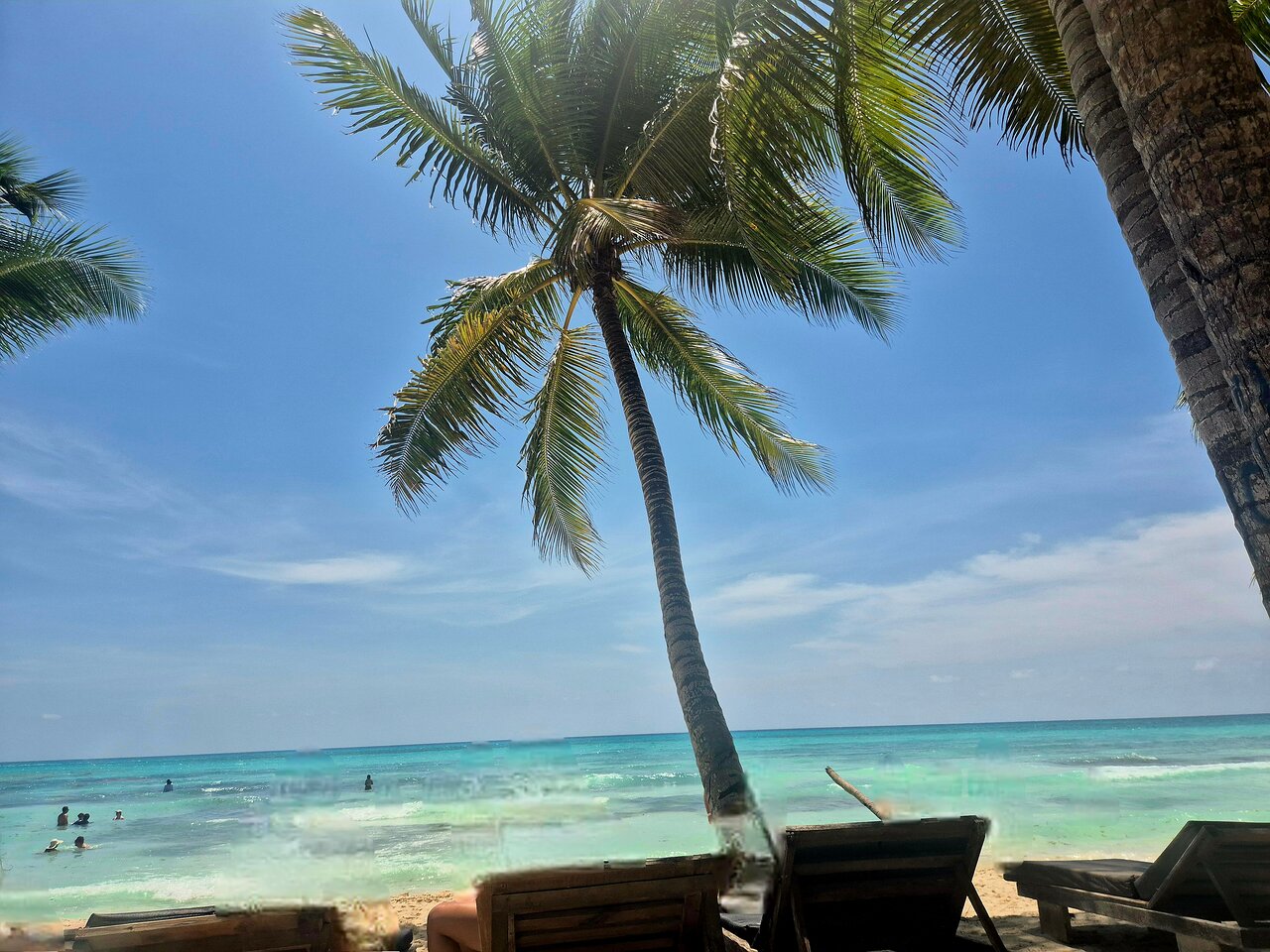
- Western areas with yellow sand beaches and low, smooth rocks.
- Southern areas with swampy terrain and mangroves.
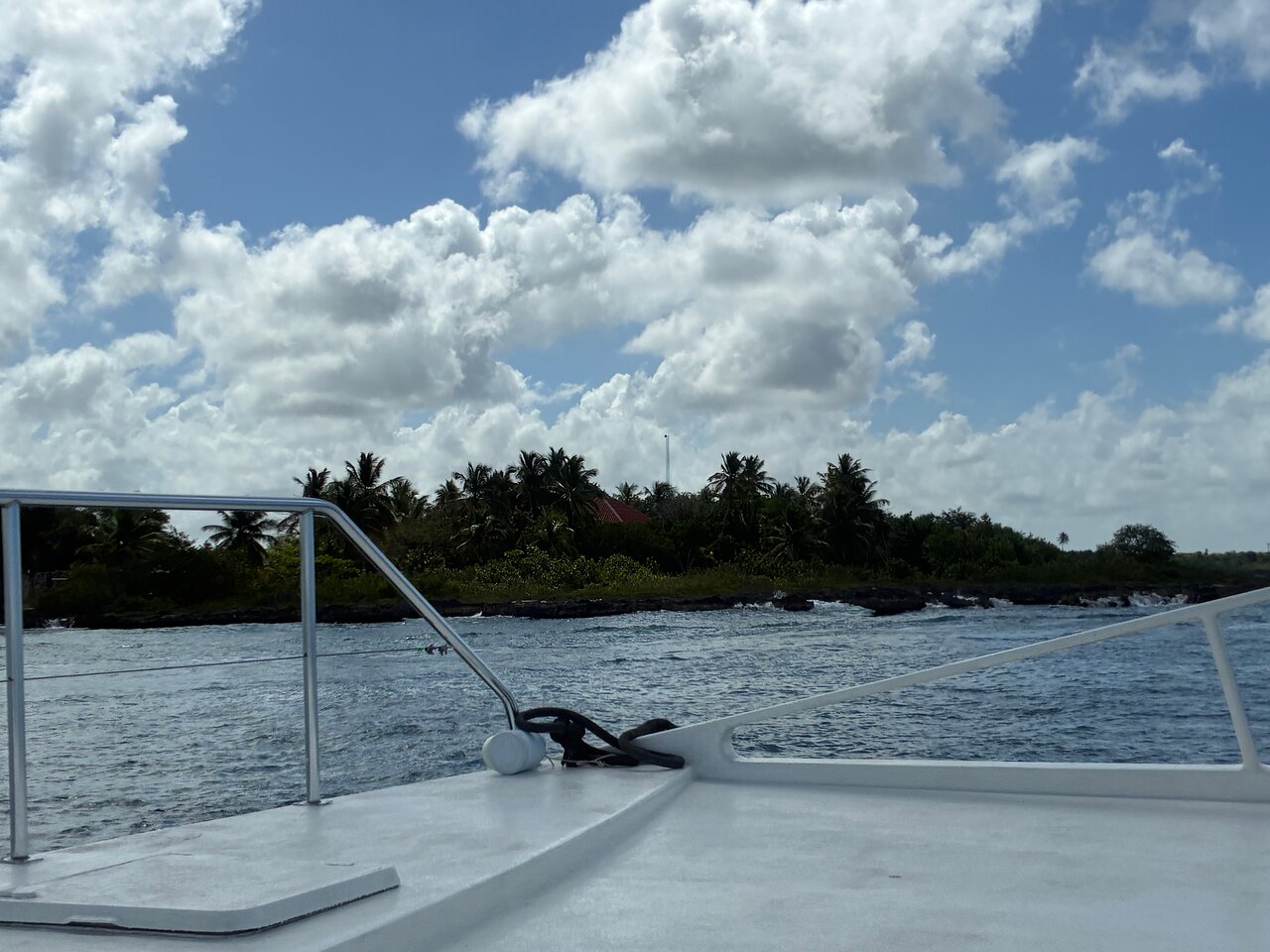
- Eastern areas characterized by a low rocky cliff and small beaches at intervals.
These descriptions show that the island's shoreline has different physical characteristics depending on its location.
The official Dominican Republic tourism website also describes Saona Island as having long stretches of white sand. Together, these sources provide a useful picture of the island's coastal variety.
It is important not to assume that every beach has identical sediment composition. A laboratory analysis would be needed to identify the exact mineral and biological components of sand at a particular location.
4. How Limestone Contributes to Coastal Sediment
Limestone is an important part of the geological setting described for Cotubanamá National Park.
It is a sedimentary rock commonly associated with calcium carbonate. In marine environments, carbonate material can originate from the remains and skeletal structures of organisms.
Over geological time, accumulated carbonate material can become consolidated into limestone.
Weathering and erosion may later break limestone into smaller fragments. Some fragments can eventually contribute to coastal sediment, depending on local geological and transport conditions.
This provides a geological connection between the island's limestone foundation and the broader story of coastal material.
However, it would be inaccurate to claim that all sand on Saona Island comes directly from local limestone. Beach sediment can have multiple sources, and the relative contribution of each source requires local sampling.
5. Why Beach Sand Has Different Grain Sizes
Not all sand grains are the same size.
Sediment is commonly classified according to particle diameter. Sand occupies a size range between finer silt and larger gravel.
The size of beach particles affects how they behave when moved by water and wind.
Fine sand
Fine sand consists of relatively small particles. Under suitable conditions, these grains can be transported more easily by moving water or wind.
Medium sand
Medium-sized grains are common in many sandy coastal environments. Their movement depends on water energy, grain density and the shape of the beach.
Coarse sand
Coarser grains are generally heavier and require different flow conditions for movement. They may remain in place when finer particles are carried away.
Mixed sediment
Some beaches contain a combination of particle sizes. Such mixtures reflect differences in sediment sources and the processes that transport and deposit material.
The National Park Service explains that wind, waves and currents sort coastal sediments according to grain size and other physical characteristics.
6. How Sediment Moves Along a Coastline
Sediment movement is an important part of beach formation.
Material can move toward the sea, away from the sea or parallel to the shoreline.
Movement across the beach
Water movement can carry sediment between the upper beach, the shoreline and the shallow underwater area.
Material removed from one part of the beach may be deposited somewhere else.
Longshore sediment transport
When waves approach a coastline at an angle, they can generate currents that move sediment parallel to the shore.
This process is known as longshore sediment transport.
The direction and amount of movement depend on factors such as wave approach, coastal shape, sediment availability and water movement.
Wind transport
Dry sand can also be moved by wind. Smaller and lighter particles may be lifted or carried across the beach surface.
The National Park Service describes coastal sediment as material that is continually redistributed by wind, waves and currents.
These processes help explain why a beach can gradually change shape even when there is no obvious major event.
7. How Sediment Accumulates to Form a Beach
A beach develops when sediment is supplied to a coastal area and deposited faster than it is removed over the relevant period.
This does not mean that sediment remains permanently in one location.
Instead, beaches exist through a changing balance between sediment supply and sediment loss.
A simplified sequence is:
- Rock, shell or other material breaks down.
- Sediment becomes available in the coastal environment.
- Water or wind transports the particles.
- Some material settles when transport energy decreases.
- Repeated deposition builds or maintains a beach.
- Further movement redistributes the sediment.
If sediment supply decreases or removal becomes greater than deposition, a beach may become narrower or lose material.
The USGS explains that beaches receive sediment from several sources, including adjacent land, offshore areas and alongshore transport.
8. Why Some Beaches Are White, Yellow or Dark
Beach color is influenced by the composition of the sediment.
White and pale-colored beaches can contain a substantial amount of light-colored carbonate material, including fragments derived from coral, shells and other marine organisms.
Yellow or tan beaches may contain minerals and rock fragments that produce warmer colors.
Dark beaches can contain volcanic material or darker minerals.
However, beach color alone cannot identify the exact origin of the sediment. Similar colors can result from different combinations of materials.
For Saona Island, official tourism information describes extensive white-sand beaches, while the UNESCO protected-area description also identifies yellow-sand beaches along parts of the western coast.
This difference is a useful reminder that coastal appearance can vary around the same island.
9. How Beach Shape Changes Over Time
A beach is a dynamic landform.
Its shape can respond to sediment supply, water movement, wind, storms and changes in surrounding coastal conditions.
Some changes happen gradually, while others can occur over a shorter period.
For example:
- Sediment may accumulate in one section of a shoreline.
- Another section may lose material through erosion.
- Sand may move between the beach and shallow offshore areas.
- Wind may transport dry sand toward vegetation or other natural barriers.
- Storm conditions may redistribute sediment more rapidly.
The National Park Service explains that sandy beaches are dynamic environments where sediment is continually transported and deposited.
A photograph taken at one time therefore represents only one moment in the history of a changing shoreline.
10. What Are Sandbars and Other Coastal Depositional Features?
Sediment transported through coastal water can accumulate into different landforms.
Sandbars
A sandbar is a raised accumulation of sand that may be submerged or partly exposed.
Its position and shape can change as sediment is moved by water.
Spits
A spit is a narrow depositional feature that extends from a coast into a body of water. It develops as sediment is transported and deposited along the shoreline.
Barrier islands
Barrier islands are elongated sandy landforms that generally run parallel to a mainland coast and are separated from it by water.
These features occur in particular coastal settings and should not automatically be assumed to exist around every island.
The concepts are useful for understanding coastal geography, but a specific landform should only be attributed to Saona Island when supported by local mapping or scientific evidence.
11. Why Coastal Sediment Matters for Natural Habitats
Beaches and nearby sediment environments can provide important habitat.
Depending on the location, sandy coastal areas may be used by shorebirds, invertebrates and nesting sea turtles.
The USGS identifies beaches as important coastal habitat, including nesting areas for sea turtles.
The shape and condition of a beach can therefore matter beyond tourism.
Changes in sediment availability, coastal disturbance and human activity can influence the physical environment used by coastal species.
Saona Island is also identified by the Dominican Republic's official tourism information as an important turtle-nesting destination. Protecting its coastal habitats is therefore an important part of responsible tourism.
12. How Visitors Can Help Protect Saona Island Beaches
Visitors can help reduce unnecessary pressure on coastal environments through simple actions.
- Take rubbish away and dispose of it properly.
- Avoid removing shells, coral fragments or other natural material.
- Do not drive or park vehicles on sensitive beach areas.
- Respect marked conservation zones.
- Avoid disturbing wildlife or nesting areas.
- Follow local instructions about beach access.
- Use established paths where available.
- Choose responsible tour operators.
Removing natural material may seem insignificant when done by one person, but repeated collection can affect a coastal environment.
The same principle applies to waste: plastic and other rubbish can damage the appearance and ecological condition of beaches.
Responsible tourism helps preserve the natural landscape that makes Saona Island attractive.
13. Frequently Asked Questions About Saona Island Beach Formation
How were Saona Island's beaches formed?
Beaches develop through the accumulation and redistribution of sediment. Saona Island's coastal geology includes limestone, while beach material may come from several geological and biological sources. Exact sediment contributions require local analysis.
Why is Saona Island famous for white sand?
The Dominican Republic's official tourism description highlights Saona Island's extensive white-sand beaches. Pale beach colors can be associated with light-colored carbonate material, but the exact composition of a particular beach requires sampling.
Does all Saona Island sand come from coral?
No such conclusion should be made without local sediment analysis. Sand can come from weathered rocks, shell fragments, carbonate material and other sources.
Why do beaches have different grain sizes?
Grain size depends on sediment sources and the processes that transport and sort particles. Water and wind can move smaller particles differently from larger ones.
Can a beach change its shape naturally?
Yes. Sediment is continually transported and deposited by coastal processes. This can change beach width, slope and surface appearance over time.
What is longshore sediment transport?
It is the movement of sediment parallel to a shoreline, commonly associated with currents generated when waves approach the coast at an angle.
Are all Saona Island beaches the same?
No. The UNESCO description of Cotubanamá National Park identifies different coastal settings, including sandy western areas, mangrove environments in the south and rocky eastern sections.
Why should visitors avoid removing sand and shells?
Natural coastal material is part of the beach environment. Removing it unnecessarily can contribute to disturbance, particularly when many visitors repeat the same activity.
Conclusion: Every Grain of Sand Has a Coastal Story
Saona Island's beaches are more than attractive places to relax. They are landforms shaped by geology, sediment sources, transportation and deposition.
The island's limestone setting, varied coastal environments and sandy shorelines provide an opportunity to understand how beaches develop and change.
Sand may contain fragments of rocks, shells and carbonate material. Wind and water can move those particles, sort them and deposit them in different parts of the coastal environment.
Although the precise composition of individual Saona Island beaches requires local scientific analysis, the wider geological and coastal setting helps explain why the island has such varied shoreline features.
The next time you walk along a Saona Island beach, take a closer look at the sand beneath your feet. Each grain is part of a much longer natural process that connects the island's geology with the Caribbean coast.

Local explorer & expert guide in Airbnb Dominicana.