Saona Island Marine Toxin Ecology – Natural Toxins, Food-Chain Transfer & Ocean Biodiversity
The ocean contains many naturally occurring chemical substances, including compounds that can be harmful to other organisms. Some marine microorganisms produce toxins as part of their biological processes, while other animals accumulate these substances through feeding. These chemicals can influence marine populations, ecological relationships and, in certain circumstances, human health.
This area of marine science is known as marine toxin ecology. It examines where natural marine toxins originate, how they enter ecosystems, how they move between organisms and what environmental conditions influence their distribution.
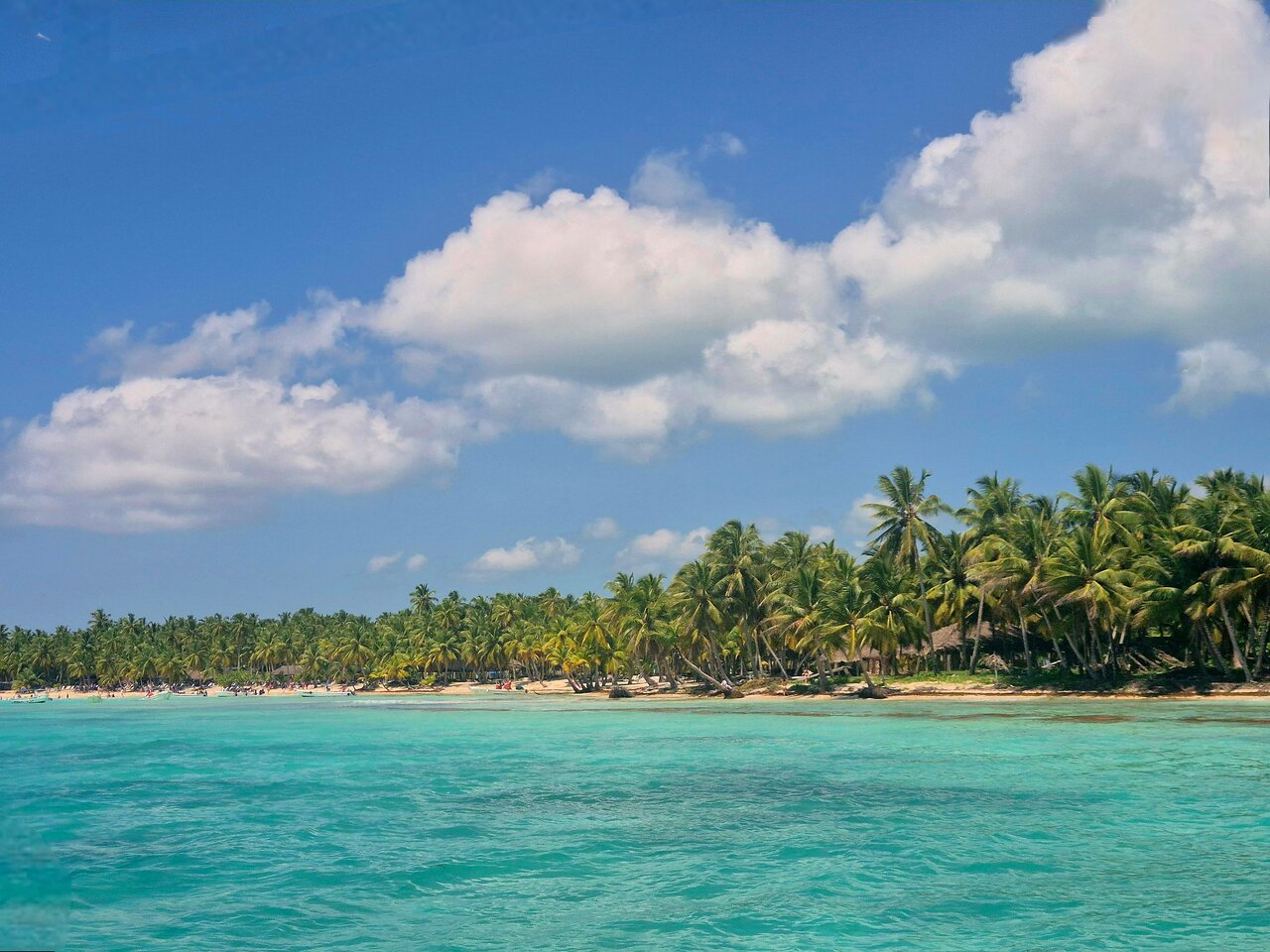
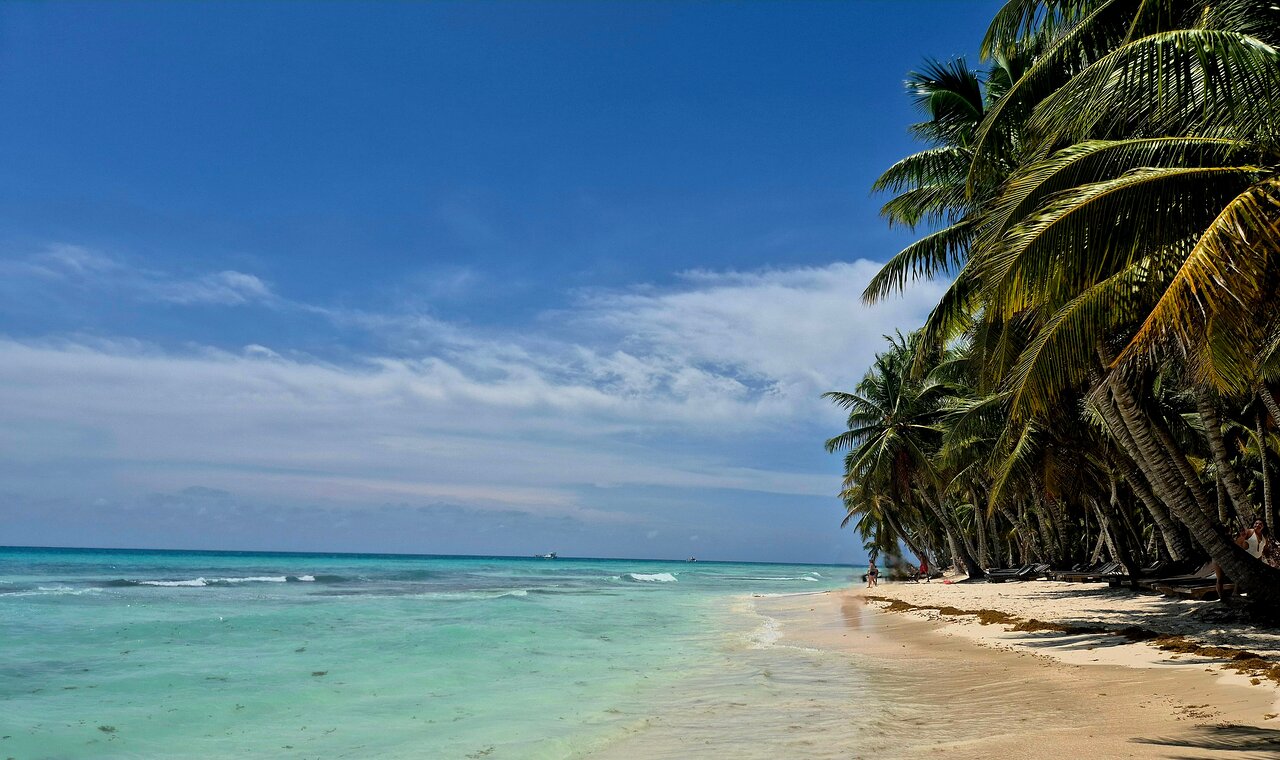
Saona Island, in the Dominican Republic, belongs to the wider Caribbean marine environment. Understanding marine toxin ecology provides another way to appreciate the complexity of Caribbean biodiversity and the importance of environmental monitoring.
This guide explores naturally occurring marine toxins, toxin-producing organisms, food-chain transfer, ciguatera, environmental influences and scientific research. It also explains why toxin-related risks should be evaluated through reliable monitoring rather than assumptions about individual beaches, fish or destinations.
1. What Is Marine Toxin Ecology?
Marine toxin ecology is the study of naturally occurring toxic substances in ocean environments and their relationships with marine organisms and ecological processes.
A toxin is a substance produced by a living organism that can cause harmful biological effects in another organism under certain conditions.
Marine toxins may be produced by:
- Microscopic algae.
- Cyanobacteria.
- Certain bacteria.
- Some marine invertebrates.
- Other toxin-producing marine organisms.
Toxins can enter marine ecosystems through different pathways. Some are released into surrounding water, while others remain within the organisms that produce them.
Other animals may acquire toxins by consuming contaminated prey.
Marine toxin ecology investigates several important questions:
- Which organisms produce natural marine toxins?
- Why do some organisms produce these compounds?
- How do toxins move through marine communities?
- Which environmental conditions influence toxin production?
- How do scientists detect and monitor marine toxins?
The subject connects marine biology, microbiology, environmental chemistry, toxicology and conservation science.
2. Why Do Marine Organisms Produce Toxins?
Natural toxins are part of the biology of certain marine organisms.
Their biological functions are not identical, and scientists continue to investigate the evolutionary and ecological roles of many toxic compounds.
Possible functions include:
Competition
Some microorganisms produce chemical substances that influence neighboring organisms.
These compounds may affect competition for space, nutrients or other environmental resources.
Protection
Certain organisms produce substances that make them less attractive or more harmful to potential predators.
This can influence feeding relationships within marine communities.
Biological Regulation
Some natural compounds influence cellular processes and interactions between organisms.
Their effects depend on the chemical structure, concentration and sensitivity of the organisms exposed.
It is important to distinguish a toxin's biological function from its effects on humans. A compound that plays a role in one organism's biology may have very different consequences for another species.
3. Phytoplankton and Natural Marine Toxins
Phytoplankton are microscopic organisms that live in water and use sunlight for photosynthesis.
They form an important foundation of many marine ecosystems.
Most phytoplankton are not harmful. However, certain species can produce compounds that affect other organisms.
Some toxin-producing phytoplankton belong to groups such as dinoflagellates.
These organisms may become important when their populations increase or when their toxins enter other parts of the marine ecosystem.
Toxin-Producing Dinoflagellates
Some dinoflagellates produce potent biological compounds.
Different species produce different toxins, and their effects vary considerably.
Some toxins affect the nervous system, while others can damage digestive or other biological functions.
The presence of toxin-producing microorganisms does not automatically mean that harmful concentrations exist in the surrounding water or seafood.
Reliable identification and measurement are necessary to understand the actual environmental situation.
Harmful Algal Events
A harmful algal event occurs when certain algae or cyanobacteria cause negative effects on marine ecosystems, wildlife or human activities.
Not every algal bloom is toxic, and not every harmful algal event involves visible water discoloration.
Some toxin-producing organisms may be present at relatively low concentrations while still creating ecological concerns.
4. Major Groups of Marine Toxins
Marine toxins are chemically diverse.
Scientists classify them according to their chemical structures, biological effects and producing organisms.
Some important groups include:
Saxitoxins
Saxitoxins are a group of compounds associated with paralytic shellfish poisoning.
They interfere with normal nerve signaling by affecting voltage-gated sodium channels.
Certain marine microorganisms can produce these compounds, which may accumulate in shellfish.
Brevetoxins
Brevetoxins are produced by certain dinoflagellates, including organisms associated with some harmful algal events.
They can affect voltage-gated sodium channels and may cause harmful effects in exposed animals and humans.
Okadaic Acid and Related Compounds
Some marine dinoflagellates produce okadaic acid and related toxins.
These compounds are associated with diarrhetic shellfish poisoning and affect cellular regulatory processes.
Domoic Acid
Domoic acid is produced by certain marine diatoms.
It can affect the nervous system and may accumulate in shellfish and other marine organisms.
Ciguatoxins
Ciguatoxins are associated with ciguatera fish poisoning.
They are produced by certain marine microalgae, particularly species of the genus Gambierdiscus and related groups.
These toxins can enter marine food chains and accumulate in fish.
Different toxin groups have different origins, chemical properties and ecological pathways. They should not be treated as one interchangeable category.
5. What Is Ciguatera?
Ciguatera is a form of seafood poisoning associated with consuming fish containing ciguatoxins.
These toxins are produced by certain microscopic algae that live on or around marine surfaces.
Some of these organisms are associated with tropical and subtropical reef environments.
Small organisms may acquire the toxins while feeding, and larger animals can become exposed by consuming contaminated prey.
Over time, certain fish may accumulate ciguatoxins in their tissues.
This process can create a connection between microscopic toxin-producing organisms and larger fish in the marine ecosystem.
How Ciguatoxins Enter Marine Food Chains
A simplified pathway can be represented as:
- Toxin-producing microorganisms occur in a marine habitat.
- Small grazing organisms consume or encounter them.
- Small fish acquire toxins through feeding.
- Larger predatory fish consume contaminated prey.
- Toxins may accumulate in fish tissues.
The actual pathways are more complicated and vary by location, species and environmental conditions.
Why Ciguatera Matters in the Caribbean
Ciguatera is a recognized seafood safety concern in tropical and subtropical regions, including parts of the Caribbean.
However, the presence of suitable habitats does not prove that a particular fish, beach or island location is affected at a particular time.
Local assessments require reliable monitoring and appropriate seafood safety information.
6. Bioaccumulation and Biomagnification
Two important concepts in toxin ecology are bioaccumulation and biomagnification.
They describe different processes.
Bioaccumulation
Bioaccumulation occurs when a substance builds up within an organism over time.
This may happen when an organism absorbs a compound faster than it can eliminate or break it down.
For example, a fish may accumulate certain toxins through repeated feeding.
Biomagnification
Biomagnification refers to an increase in the concentration of a substance across successive trophic levels in a food chain.
In some marine toxin systems, larger predators can accumulate greater concentrations than organisms lower in the food chain.
However, biomagnification does not occur equally for every toxin.
Whether a toxin accumulates or increases through a food chain depends on its chemical properties, the biology of the organisms and their feeding relationships.
7. Marine Toxins and Shellfish
Shellfish such as mussels, oysters and clams can filter large volumes of water while feeding on suspended particles.
If toxin-producing microorganisms are present, some shellfish may accumulate toxins.
This does not necessarily cause obvious changes in the animal's appearance, smell or taste.
Several toxin groups are associated with shellfish poisoning events.
Scientific monitoring programs therefore test shellfish and relevant water samples when harmful algal activity is suspected.
Monitoring is important because visual inspection alone cannot reliably determine whether shellfish contain harmful toxin concentrations.
8. Environmental Conditions That Influence Marine Toxins
The production and distribution of marine toxins can be influenced by several environmental factors.
Water Temperature
Temperature can influence the growth and biological activity of toxin-producing microorganisms.
Different species have different temperature preferences, so the relationship is not always straightforward.
Nutrient Availability
Nutrients such as nitrogen and phosphorus support the growth of many aquatic microorganisms.
Changes in nutrient availability may influence phytoplankton communities and their population dynamics.
Water Movement
Currents, waves and water circulation influence how microorganisms and dissolved substances move through marine environments.
They can affect the distribution of toxin-producing organisms and the organisms that encounter them.
Light Availability
Light affects photosynthetic microorganisms.
Changes in water clarity, depth and sunlight exposure can influence phytoplankton growth.
Ecological Conditions
Grazing, competition and interactions between microorganisms may also influence the abundance of toxin-producing species.
Because several factors interact, predicting harmful toxin events requires more than measuring one environmental variable.
9. Climate Change and Marine Toxin Ecology
Climate change can influence marine ecosystems through changes in temperature, ocean circulation, rainfall patterns and extreme weather.
These changes may affect the distribution and growth conditions of some toxin-producing organisms.
Potential effects include:
- Changes in the geographical range of certain microorganisms.
- Altered seasonal patterns of algal growth.
- Changes in water circulation and nutrient availability.
- Shifts in marine species distributions.
- Changes in the timing or frequency of some harmful algal events.
However, climate change does not affect all toxin-producing species in the same way.
Some may benefit from particular conditions, while others may decline.
Long-term monitoring is needed to distinguish climate-related changes from natural seasonal variation and other environmental influences.
10. How Marine Toxins Affect Ecosystems
Natural toxins can influence marine ecosystems in several ways.
Effects on Marine Animals
Depending on the toxin and exposure level, marine animals may experience changes in nervous system function, movement, feeding or survival.
Effects on Predators
Predators can be exposed by consuming contaminated prey.
This can create ecological pathways that connect small toxin-producing organisms with larger animals.
Effects on Fisheries
Toxin contamination may lead to temporary restrictions or warnings when seafood safety monitoring identifies a concern.
These measures can protect consumers and reduce the economic impact of harmful toxin events.
Effects on Biodiversity
Severe toxin-related events can affect certain marine populations and ecological interactions.
The scale of the impact depends on the organisms involved, toxin concentration, exposure and environmental conditions.
11. How Scientists Monitor Marine Toxins
Monitoring is essential for understanding toxin distribution and identifying potential risks.
Researchers and public health authorities use different approaches.
Water Sampling
Scientists collect water samples to identify and measure toxin-producing microorganisms.
Microscopic Identification
Microscopy can help identify phytoplankton and other microorganisms.
However, species identification alone may not establish whether a toxin is present.
Chemical Analysis
Specialized laboratory techniques can detect and measure toxins in water, seafood and biological samples.
Methods may include liquid chromatography and mass spectrometry.
Molecular Techniques
DNA-based methods can help identify toxin-producing organisms and investigate their presence in environmental samples.
Molecular detection does not always prove that an organism is actively producing toxins, so results may need to be combined with chemical analysis.
Seafood Monitoring
Authorities and research organizations may test relevant seafood samples to assess contamination risks.
The exact monitoring programs and testing requirements vary by country and region.
12. Responsible Seafood Awareness for Visitors
Marine toxin ecology is relevant to travelers who enjoy seafood during Caribbean holidays.
Natural marine toxins are not always detectable through ordinary appearance, smell or taste.
Visitors should therefore rely on responsible food sourcing and applicable local public health guidance.
Practical precautions include:
- Choose reputable restaurants and seafood suppliers.
- Follow local seafood safety advisories.
- Avoid seafood from uncertain or unauthorized sources.
- Pay attention to official warnings about harmful algal events.
- Do not assume that cooking removes every marine toxin.
- Ask food providers about the source of seafood when appropriate.
This article provides general educational information, not a diagnosis or substitute for medical advice. Anyone who develops concerning symptoms after consuming seafood should seek appropriate medical assistance and follow local health guidance.
13. Marine Toxin Research and Conservation Around Saona Island
Saona Island is part of a wider Caribbean marine region where reef habitats and coastal ecosystems support diverse biological communities.
Studying natural toxins can contribute to a better understanding of marine environmental conditions.
Relevant research may include:
- Identifying toxin-producing microorganisms.
- Monitoring changes in phytoplankton communities.
- Studying toxin accumulation in marine organisms.
- Investigating relationships between reef habitats and microorganisms.
- Monitoring environmental conditions.
- Supporting seafood safety programs.
These research activities should be based on actual sampling and laboratory evidence.
The presence of reef habitats or toxin-producing organisms elsewhere in the Caribbean should not be treated as proof of a particular toxin problem around Saona Island.
Local conclusions require local scientific data.
14. How Visitors Can Support Marine Environmental Protection
Visitors can help reduce pressure on coastal ecosystems through simple responsible practices.
- Avoid throwing rubbish into the ocean.
- Never release chemicals or waste into coastal water.
- Respect coral reefs and seagrass habitats.
- Follow local fishing and wildlife regulations.
- Avoid purchasing seafood from illegal or unverified sources.
- Follow official environmental and food safety notices.
- Choose tourism providers that support responsible coastal practices.
Healthy marine habitats help support biodiversity and make long-term environmental monitoring more effective.
15. Frequently Asked Questions
What is marine toxin ecology?
Marine toxin ecology studies naturally occurring toxic substances in ocean environments, including their production, accumulation, movement and effects on marine organisms.
Are all marine algae toxic?
No. Most marine algae are not harmful. Only certain species produce toxins, and harmful effects depend on the organism, toxin and exposure conditions.
What causes ciguatera?
Ciguatera is associated with consuming fish containing ciguatoxins produced by certain microscopic marine algae. These toxins can enter food chains through feeding relationships.
Can marine toxins accumulate in fish?
Yes. Certain toxins can accumulate in fish tissues through repeated exposure or feeding. The extent of accumulation depends on the toxin and the species involved.
What is the difference between bioaccumulation and biomagnification?
Bioaccumulation describes the buildup of a substance within an individual organism. Biomagnification describes an increase in concentration across successive trophic levels.
Does cooking destroy all marine toxins?
No. Some marine toxins are heat-stable, meaning ordinary cooking may not make contaminated seafood safe.
Can visitors assume Saona Island seafood is affected by ciguatera?
No. General information about Caribbean ciguatera cannot establish the safety status of a particular fish or location. Reliable local monitoring and official food safety guidance are necessary.
How do scientists detect marine toxins?
Researchers use water and seafood sampling, microscopy, molecular techniques and specialized chemical laboratory analysis.
Does climate change influence marine toxin events?
Climate-related changes in temperature, circulation and nutrient conditions may influence some toxin-producing organisms, but the effects differ between species and locations.
Conclusion
Marine toxin ecology reveals an important but often overlooked part of ocean biodiversity. Natural toxins are produced by certain microorganisms and other marine organisms, and they can move through ecological relationships, accumulate in animals and influence marine environmental health.
From harmful algal events to ciguatera, understanding these processes requires careful scientific monitoring rather than assumptions based on appearance or location.
For Saona Island and the wider Caribbean region, protecting coastal habitats, supporting responsible seafood practices and improving marine research can contribute to healthier ecosystems and better environmental awareness.
Learning about natural marine toxins provides visitors with a deeper understanding of the science behind the ocean and the importance of protecting its interconnected biological communities.

Local explorer & expert guide in Airbnb Dominicana.