Saona Island Marine Nitrogen Cycle – How Ocean Nutrients Support Marine Life
The ocean contains many chemical elements that support life, and nitrogen is among the most important. Marine organisms need nitrogen to build proteins, genetic material and other essential biological compounds. However, most marine organisms cannot directly use every form of nitrogen found in seawater.
Nitrogen must move through a series of biological and chemical transformations before it becomes available to different organisms. These processes form the marine nitrogen cycle.
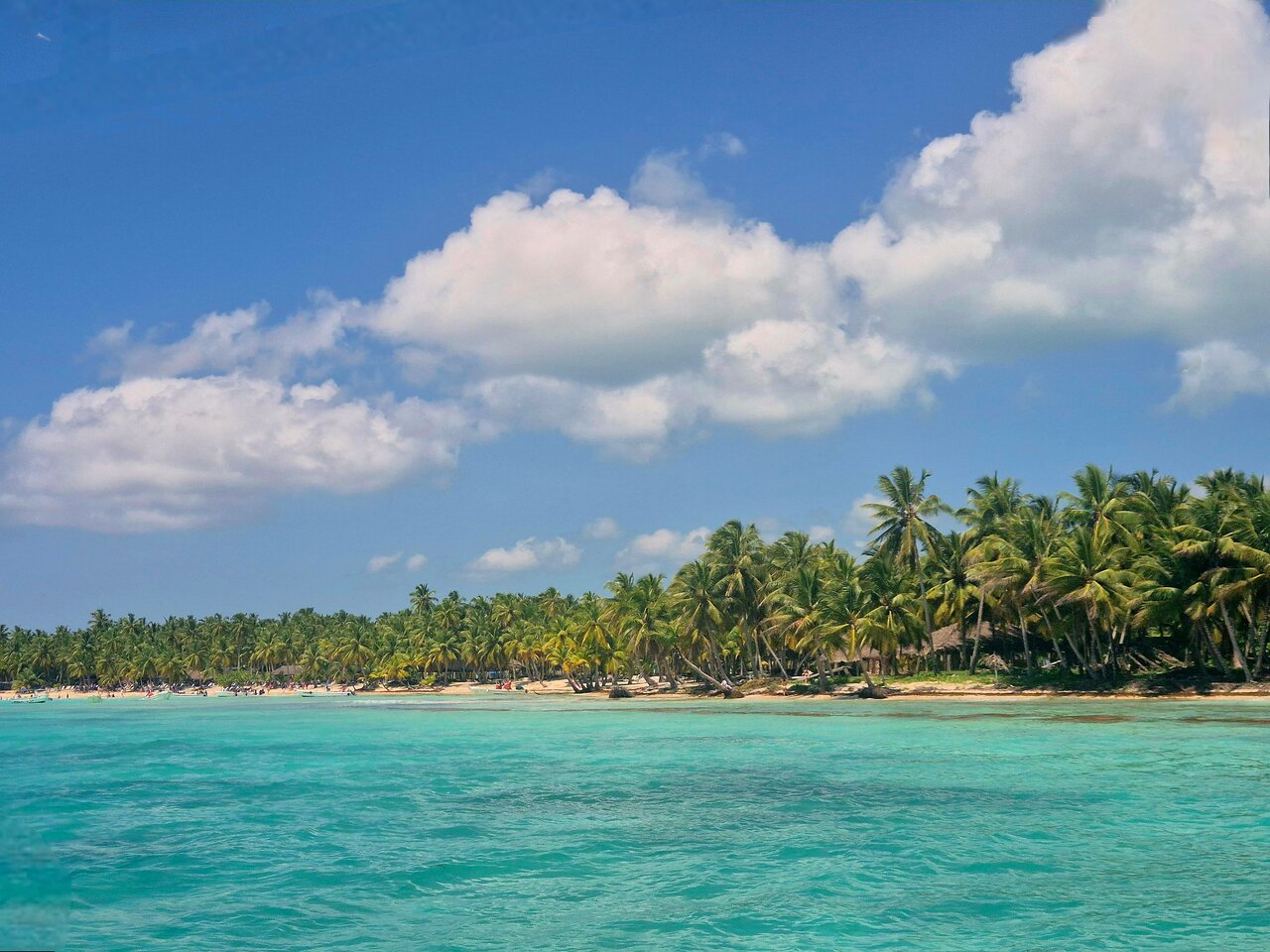
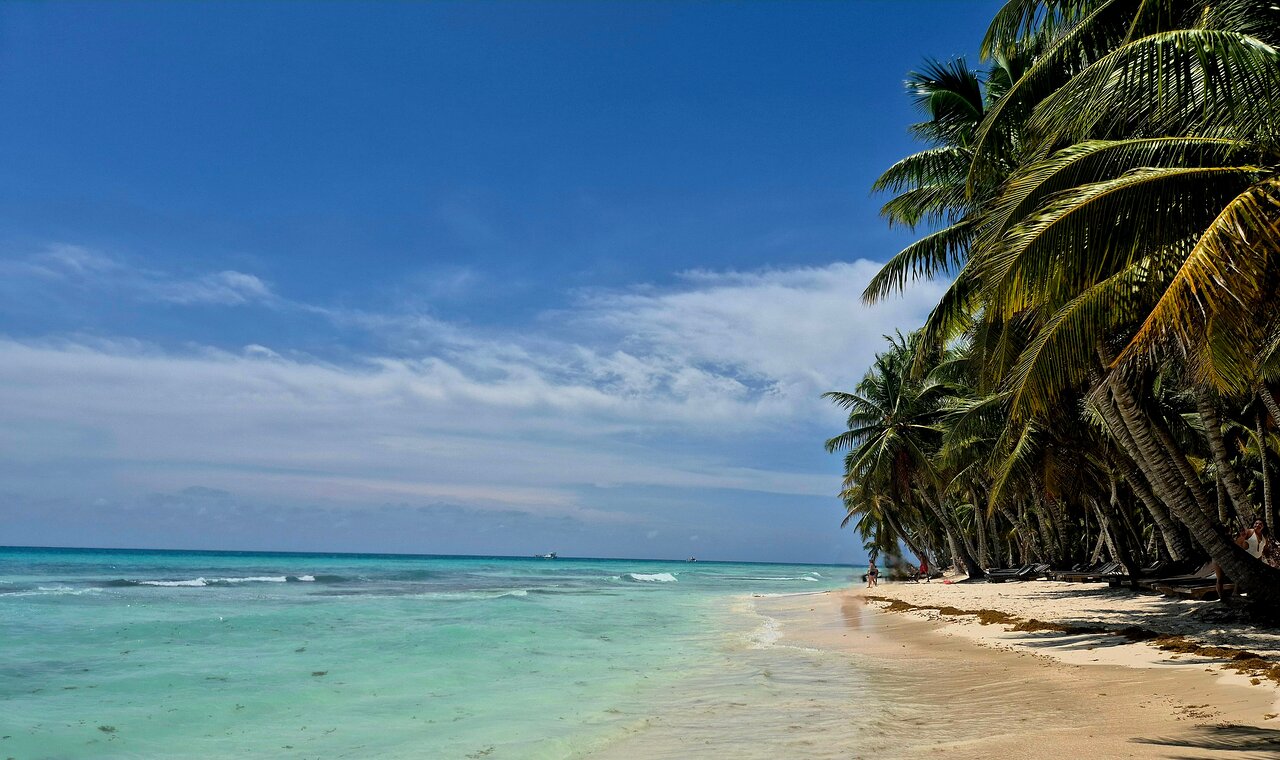
Around Saona Island in the Dominican Republic, coastal waters belong to the wider Caribbean marine environment. Like other ocean ecosystems, these environments depend on nutrient cycling to support microorganisms, algae, seagrass and marine animals.
Understanding the nitrogen cycle provides insight into how marine ecosystems obtain essential nutrients, how microorganisms influence ocean chemistry and why changes in nutrient availability can affect water quality.
This guide explains the main stages of the marine nitrogen cycle, the organisms involved, environmental influences and the importance of nitrogen balance for healthy coastal ecosystems.
1. What Is the Marine Nitrogen Cycle?
The marine nitrogen cycle is the movement and transformation of nitrogen between seawater, marine organisms, sediments and the atmosphere.
Nitrogen exists in several chemical forms in the ocean, including:
- Molecular nitrogen (N₂).
- Ammonium (NH₄⁺).
- Nitrite (NO₂⁻).
- Nitrate (NO₃⁻).
- Dissolved organic nitrogen.
- Particulate organic nitrogen.
These forms are connected through biological activities and chemical processes.
Some marine microorganisms convert atmospheric nitrogen into biologically available compounds. Other microorganisms transform ammonium into nitrite and nitrate, while additional groups return nitrogen to the atmosphere.
Marine plants and microorganisms also absorb dissolved nitrogen to support growth.
The cycle helps maintain the availability and distribution of an essential nutrient throughout ocean ecosystems.
2. Why Is Nitrogen Important for Marine Life?
Nitrogen is necessary for the formation of several important biological molecules.
Proteins
Proteins are made from amino acids, which contain nitrogen. They perform many functions, including supporting cell structure, metabolism and biological regulation.
Genetic Material
DNA and RNA contain nitrogen-bearing chemical structures.
These molecules store and transmit genetic information.
Chlorophyll and Photosynthesis
Nitrogen is also required for the production of chlorophyll and many proteins involved in photosynthesis.
Marine phytoplankton use these biological systems to convert sunlight into chemical energy.
Growth and Reproduction
Marine organisms require nitrogen to build new cells and tissues.
When nitrogen is limited, the growth and reproduction of some organisms may be restricted.
For this reason, nitrogen availability is an important factor influencing marine productivity.
3. Nitrogen Fixation: Converting Atmospheric Nitrogen
Nitrogen fixation is the process through which certain microorganisms convert molecular nitrogen (N₂) into biologically usable nitrogen compounds.
Although molecular nitrogen is abundant in the atmosphere and dissolved in seawater, most organisms cannot use it directly.
Nitrogen-fixing microorganisms possess specialized biological machinery that allows them to convert N₂ into ammonia.
The enzyme nitrogenase plays a central role in this process.
Marine Nitrogen-Fixing Microorganisms
Different groups of marine microorganisms can perform nitrogen fixation.
Examples include certain cyanobacteria and other specialized bacteria.
Some cyanobacteria are free-living, while others occur in association with different organisms or habitats.
Why Nitrogen Fixation Matters
Nitrogen fixation introduces new biologically available nitrogen into marine ecosystems.
This process can support primary production in environments where dissolved inorganic nitrogen is limited.
However, nitrogen fixation depends on environmental conditions, microbial activity and the availability of other nutrients.
4. Ammonification: Returning Organic Nitrogen to the Environment
Marine organisms contain nitrogen in their tissues.
When organisms produce waste or die, organic nitrogen enters the surrounding environment.
Decomposer microorganisms break down this organic material and release nitrogen in simpler forms, including ammonium.
This process is commonly called ammonification or mineralization.
Sources of Organic Nitrogen
Organic nitrogen can enter marine environments through:
- Dead phytoplankton.
- Animal remains.
- Fish waste.
- Organic particles.
- Microbial biomass.
- Decomposing plant material.
Why Ammonification Is Important
Ammonification returns nitrogen from organic matter to forms that can be reused by microorganisms and marine plants.
Without decomposition and nutrient recycling, much of the nitrogen contained in dead organisms would remain unavailable for immediate biological reuse.
5. Nitrification: Converting Ammonium into Nitrite and Nitrate
Nitrification is a biological process in which microorganisms oxidize ammonium into nitrite and then nitrate.
It generally involves two major steps.
First Stage: Ammonium to Nitrite
Certain microorganisms oxidize ammonium (NH₄⁺) to nitrite (NO₂⁻).
Second Stage: Nitrite to Nitrate
Other microorganisms, including specialized bacteria and archaea, oxidize nitrite into nitrate (NO₃⁻).
Nitrate is an important nitrogen source for many marine phytoplankton and other photosynthetic organisms.
Environmental Conditions
Nitrification generally requires oxygen and is influenced by:
- Temperature.
- Oxygen availability.
- Ammonium concentration.
- Microbial community composition.
- Water movement.
- Sediment conditions.
The rate of nitrification can differ significantly between open water, coastal environments and marine sediments.
6. Assimilation: Marine Organisms Absorb Nitrogen
Assimilation occurs when organisms take up inorganic nitrogen and incorporate it into organic biological molecules.
Marine phytoplankton can absorb nitrate and ammonium from surrounding water.
These nutrients support the production of amino acids, proteins and other cellular compounds.
Phytoplankton Assimilation
Phytoplankton are major participants in marine nitrogen cycling.
They absorb available nitrogen to support photosynthesis and growth.
When phytoplankton are consumed by zooplankton and other organisms, their nitrogen becomes part of wider biological communities.
Seagrass Assimilation
Seagrasses are marine flowering plants that absorb nutrients through their leaves and roots or rhizomes.
Nitrogen availability can influence their growth and biological productivity.
Why Assimilation Matters
Assimilation transfers dissolved nitrogen into living biomass.
It therefore connects nutrient availability with the growth of marine organisms.
7. Denitrification: Returning Nitrogen to the Atmosphere
Denitrification is a microbial process that converts nitrate and nitrite into gaseous nitrogen compounds.
Under suitable conditions, microorganisms use oxidized nitrogen compounds during respiration.
The process can produce gases such as:
- Nitric oxide (NO).
- Nitrous oxide (N₂O).
- Molecular nitrogen (N₂).
Molecular nitrogen can return to the atmosphere, completing an important part of the nitrogen cycle.
Where Does Denitrification Occur?
Denitrification commonly occurs in environments where oxygen is limited and nitrate is available.
Examples include:
- Oxygen-poor marine sediments.
- Certain coastal mud environments.
- Low-oxygen water layers.
- Organic-rich sediment zones.
The rate depends on oxygen conditions, nitrate availability, organic matter and microbial activity.
8. Anammox: Another Route for Nitrogen Removal
Anammox stands for anaerobic ammonium oxidation.
It is a microbial process in which specialized microorganisms convert ammonium and nitrite into molecular nitrogen under oxygen-free conditions.
This process is important in some marine environments, particularly oxygen-poor water and sediment systems.
Anammox provides another pathway through which biologically available nitrogen can be removed from marine environments and returned to the atmosphere.
Although denitrification and anammox both contribute to nitrogen loss, they involve different biochemical pathways and microbial groups.
9. Marine Sediments and Nitrogen Cycling
The seabed is an important location for nitrogen transformations.
Marine sediments receive organic material from the water column, including dead organisms, waste and settling particles.
Microorganisms living within the sediment decompose this material and participate in several nitrogen-cycle processes.
Oxygen Gradients
Oxygen availability often decreases with increasing sediment depth.
This creates different chemical environments within relatively small vertical distances.
Near the sediment surface, oxygen-dependent processes such as nitrification may occur.
Deeper oxygen-poor layers may support denitrification and anammox when suitable conditions exist.
Sediment-Water Exchange
Dissolved nitrogen compounds can move between sediments and surrounding seawater.
This exchange influences nutrient availability in coastal environments.
10. Factors That Influence the Marine Nitrogen Cycle
The nitrogen cycle is controlled by several environmental and biological factors.
Temperature
Temperature affects microbial metabolism and can influence the rates of nitrogen transformations.
Oxygen
Oxygen availability determines which microbial pathways can operate.
Nitrification generally requires oxygen, while denitrification and anammox occur under oxygen-limited or oxygen-free conditions.
Nutrient Availability
The supply of ammonium, nitrate, nitrite and organic nitrogen influences microbial activity and biological uptake.
Organic Matter
Decomposing organic material supplies nitrogen to microbial communities and can influence oxygen availability in sediments.
Water Movement
Currents, mixing and circulation transport dissolved nutrients between different parts of the marine environment.
Microbial Diversity
Different microorganisms perform different nitrogen transformations. Their abundance and activity influence how efficiently nitrogen moves through the ecosystem.
11. Nitrogen Pollution and Coastal Eutrophication
Nitrogen is essential for marine life, but excessive nitrogen inputs can cause environmental problems.
When coastal environments receive more nutrients than their natural systems can process, excessive algal growth may occur.
This process is associated with eutrophication.
Sources of Excess Nitrogen
Potential sources include:
- Agricultural runoff.
- Untreated or inadequately treated wastewater.
- Fertilizer losses.
- Urban stormwater.
- Certain industrial discharges.
- Nutrient-rich drainage from developed areas.
Possible Environmental Effects
Excessive nitrogen loading can contribute to:
- Increased phytoplankton growth.
- Reduced water clarity.
- Changes in algal community composition.
- Greater organic matter accumulation.
- Oxygen depletion during decomposition.
- Stress on sensitive marine organisms.
These effects depend on local environmental conditions and the availability of other nutrients.
Not every increase in nitrogen produces the same ecological outcome.
12. Nitrogen Cycling and Coral Reef Ecosystems
Coral reefs depend on complex nutrient relationships.
Nitrogen is necessary for the growth of algae, microorganisms and other reef-associated organisms.
However, nutrient balance is important.
Excessive nutrient inputs can influence algae growth and alter ecological relationships within reef communities.
The effects may depend on the amount of nitrogen, phosphorus availability, water circulation, grazing activity and overall reef condition.
Understanding nitrogen cycling helps researchers investigate how coastal pollution and nutrient enrichment may influence reef ecosystems.
13. Nitrogen and Seagrass Meadows
Seagrass meadows are important coastal habitats that participate in nutrient cycling.
Seagrasses absorb dissolved nutrients and incorporate nitrogen into plant tissues.
When leaves, roots and other organic material decompose, nitrogen can return to the surrounding environment.
Seagrass sediments also support microorganisms involved in nitrogen transformations.
Balanced nutrient conditions help maintain healthy seagrass ecosystems.
Excessive nutrient loading, however, may encourage algal growth that reduces the light available to seagrass leaves.
Protecting water quality is therefore important for maintaining these underwater habitats.
14. How Scientists Study the Marine Nitrogen Cycle
Researchers use several methods to investigate nitrogen transformations.
Water Sampling
Water samples are collected to measure nitrate, nitrite, ammonium and other nitrogen compounds.
Sediment Sampling
Sediment cores help scientists examine nitrogen transformations at different depths.
Dissolved Oxygen Measurements
Oxygen measurements help identify environmental conditions that influence nitrification, denitrification and anammox.
Microbial Analysis
DNA sequencing and other molecular techniques can identify microorganisms associated with nitrogen transformations.
Stable Isotope Studies
Nitrogen isotopes can help researchers investigate nitrogen sources and biological processes.
Laboratory Experiments
Controlled experiments help scientists measure nitrogen transformation rates and understand how environmental conditions affect microbial activity.
Combining these techniques provides a more complete understanding of marine nitrogen cycling.
15. Why the Marine Nitrogen Cycle Matters for Saona Island
Saona Island belongs to a wider Caribbean marine environment where coral reefs, seagrass meadows, coastal waters and microorganisms participate in nutrient cycling.
Understanding nitrogen transformations helps explain how these habitats maintain biological productivity.
It also provides a scientific foundation for assessing coastal water quality and identifying potential effects of nutrient pollution.
For Saona Island, local measurements would be needed to establish nitrogen concentrations, transformation rates or any specific nutrient-related environmental problem.
Visitors should not assume that general examples of eutrophication or nitrogen pollution describe the current condition of the island's waters.
16. How Visitors Can Help Protect Coastal Water Quality
Responsible tourism can help reduce unnecessary pressure on coastal environments.
Visitors can:
- Avoid littering on beaches.
- Never release wastewater or chemicals into coastal waters.
- Use designated waste disposal facilities.
- Respect mangroves, seagrass and coral habitats.
- Choose responsible tour operators.
- Follow local environmental regulations.
- Avoid disturbing sensitive marine habitats.
Small actions can contribute to cleaner coastal environments and help protect the habitats that support Caribbean marine biodiversity.
17. Frequently Asked Questions
What is the marine nitrogen cycle?
It is the movement and transformation of nitrogen between seawater, organisms, sediments and the atmosphere through biological and chemical processes.
Why is nitrogen important for ocean life?
Nitrogen is required to build proteins, DNA, RNA, chlorophyll and other biological molecules needed for growth and reproduction.
What is nitrogen fixation?
Nitrogen fixation is the process by which specialized microorganisms convert molecular nitrogen into biologically available nitrogen compounds.
What is nitrification?
Nitrification is the microbial oxidation of ammonium into nitrite and then nitrate.
What is denitrification?
Denitrification is the microbial conversion of nitrate and nitrite into gaseous nitrogen compounds, including molecular nitrogen.
What is anammox?
Anammox is an anaerobic microbial process that converts ammonium and nitrite into molecular nitrogen.
Can excess nitrogen harm coral reefs?
Yes. Excessive nutrient inputs can alter algal growth and ecological relationships, potentially placing stress on reef ecosystems.
How does nitrogen enter coastal waters?
Nitrogen can enter through natural biological processes, river discharge, atmospheric deposition, groundwater and human activities such as agriculture and wastewater discharge.
How do scientists measure marine nitrogen?
They use water and sediment sampling, chemical analysis, oxygen measurements, microbial studies and stable isotope techniques.
Is nitrogen pollution confirmed around Saona Island?
This article does not establish a local pollution condition. Specific conclusions require reliable water-quality measurements and environmental research.
Conclusion
The marine nitrogen cycle is an essential process that supports ocean productivity and ecosystem function. Through nitrogen fixation, ammonification, nitrification, assimilation, denitrification and anammox, nitrogen moves between microorganisms, seawater, sediments and marine organisms.
For Saona Island and the wider Caribbean region, balanced nutrient cycling supports coastal habitats and marine biodiversity. Understanding these processes also highlights why water quality and responsible coastal management matter.
By protecting marine habitats, reducing unnecessary pollution and supporting environmental research, visitors and communities can contribute to healthier coastal ecosystems.

Local explorer & expert guide in Airbnb Dominicana.